


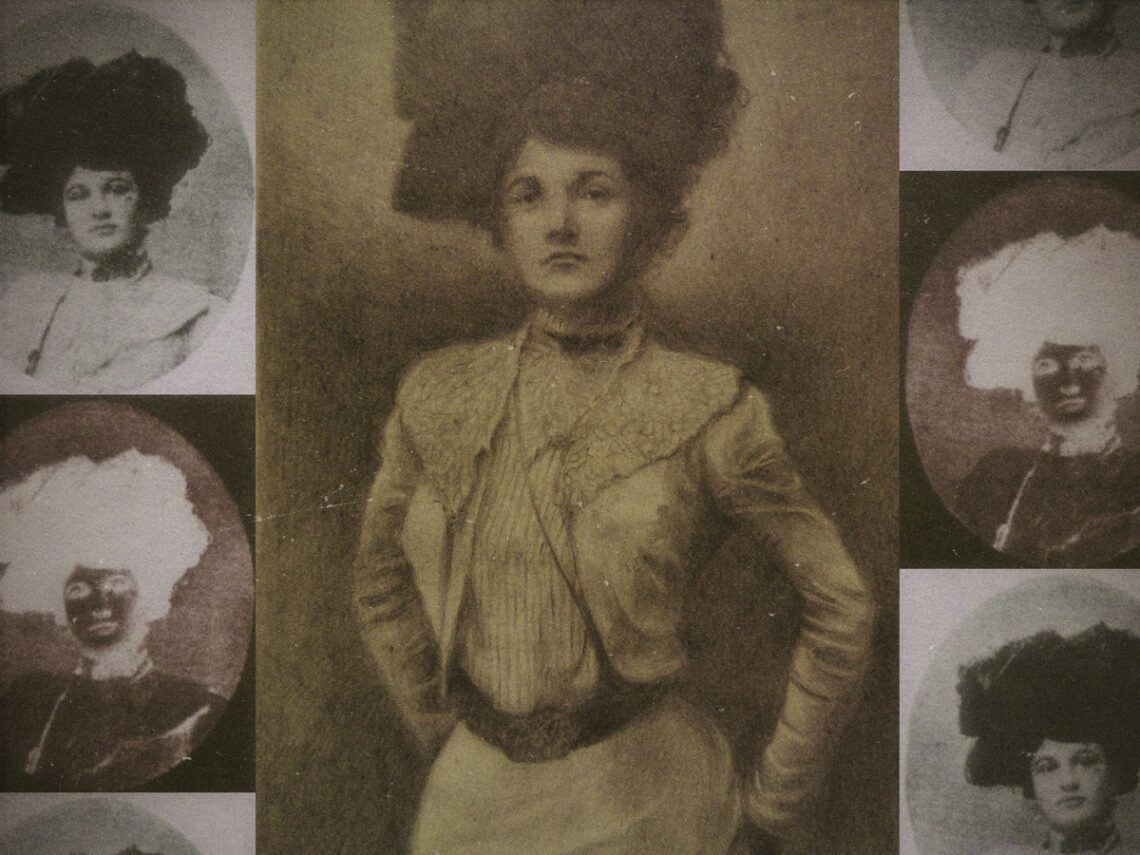
The tragically early burial of Rufina Cambaceres
Buenos Aires is a city teeming with life, history and soul. With that in mind, it’s pretty strange that one of its most unforgettable sites, tucked away in the well-to-do central district of Recoleta, is the cemetery housing Rufina Cambaceres.
La Recoleta Cemetery is a fully fledged necropolis. Almost entirely made up of above-ground tombs sculpted out of marble and stone that house some of Buenos Aires’ most famous and infamous children. It’s the burial site of everyone from Eva Perón, the first ever Latin American recipient of the Nobel Peace Prize, Carlos Saavedra Lamas, Argentina’s seventh president, Domingo Faustino Sarmiento, among thousands of others.
The only thing that all those thousands of others had in common with each other was the number of zeroes in their bank accounts. Like the district that gives the cemetery its name, La Recoleta is not cheap.
Those awe-inspiring monuments to the dead aren’t built or maintained for free, so the vast majority of the cemetery’s residents are simply members of the wealthiest families from Buenos Aires. One of whom, the Cambaceres, had to send their daughter Rufina there much earlier than they ever thought they’d have to.
The Cambaceres patriarch was the writer and politician Eugenio Cambaceres. He married the Italian dancer Luisa Bacichi and was able to raise Rufina in luxury even after Eugenio died when his daughter was four years old. By all accounts, Rufina was a prodigy. Excelling at her studies and speaking five languages by the time she was a teenager. By the time she made her debut on the Buenos Aires social scene, she was one of the most glamorous and eligible socialites around.
Yet sometimes, the worst things happen even to people as privileged as her. She collapsed while preparing for a night at the opera when she was 19 years old, and no one could wake her up; no one could find any signs of life on her. No pulse, no breathing, no anything. She had seemingly died on her feet with no apparent cause of death. With nothing to be done, she was interred at the family mausoleum the very next day alongside her father.
What happened next is a truly terrifying prospect. The cemetery’s caretaker overheard noises from the Cambaceres vault the same night. Fearing that thieves had gotten into the recently opened mausoleum, he rushed over to find the outside of the vault undisturbed.
He still checked inside, though, and found Rufina’s coffin hadn’t just moved; the lid had been broken open. This wasn’t the doing of thieves, though, as he found Rufina’s body inside, her eyes now open, her fingers bloodied, and scratch marks all over the coffin lid and the poor girl’s face.
Rufina had been buried alive. The shock of that discovery had killed her.
It’s generally accepted that what caused her collapse was a severe cataleptic fit. If there’s one silver lining to this whole story, however, it’s that the outcry surrounding this tragic accident changed the burial practices of Buenos Aires so that this would never happen again. A law was passed, meaning that anyone declared dead first had to be monitored for 24 hours before being buried at La Recoleta.