


Valerian: The Roman emperor skinned alive in 264 AD
Throughout history, the clearest sign that a king or emperor is the real deal is when they don the armour and lead their soldiers into battle.
The record books are full of men who have, supposedly, shown their equality to their men by taking just as much of a risk in battle as any of their soldiers. Alexander the Great, Genghis Khan, Richard I, Henry V, all kings who fought alongside their soldiers and are lionised for it. However, they weren’t as equal as they might have thought. After all, a king in battle is more valuable captured by the enemy than dead, so they would have almost certainly been treated with kid gloves by the enemy.
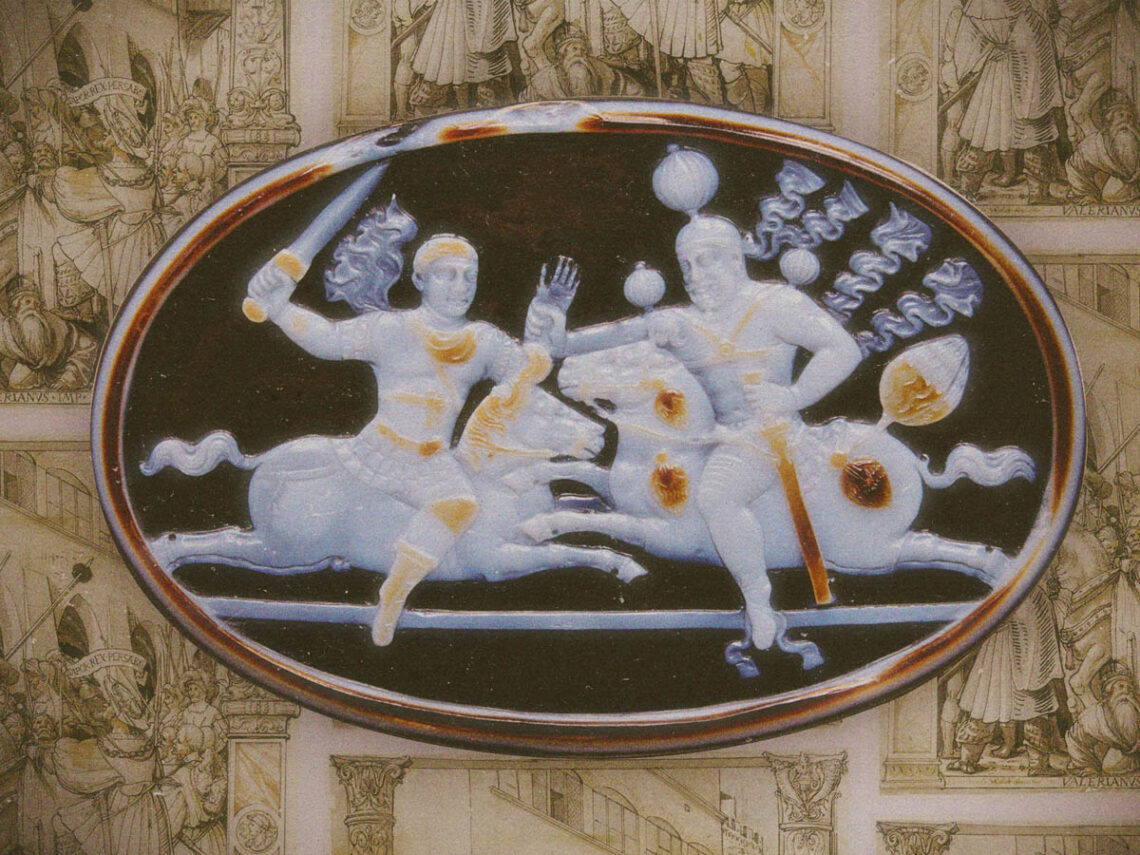
Although you would think that death is a preferable treatment to the one waiting for an enemy king captured by the enemy. That would certainly be the case for the Roman Emperor Valerian, who was captured at the height of the Roman-Persian War in 260 AD in one of the most catastrophic defeats in the history of the Roman Empire.
Valerian, already an old man by the time of his capture, lived out the rest of his life as a slave of the Sasanian emperor Shapur I, who reportedly took pleasure in making the life of his enemy a living hell.
Most notably, Shapur is depicted in several tellings of the story as making Valerian a human footstool, forcing the literal Emperor of Rome onto his hands and knees and stepping onto him whenever he needed to mount his horse.
According to Aurelius Victor, Valerian was kept in a cage at Shapur’s palace, mutilated and humiliated for the emperor’s pleasure. Before Shapur grew tired of his plaything and decided to end his old enemy, flaying Valerian alive, stuffing him with manure and mounting him in his palace as a trophy. Yikes.
Except, there’s reason to doubt these reports. Many of them, in fact. For one thing, on the rare occasions that kings or emperors were captured at war, they were often treated like, well, kings. They were valuable prisoners of war deserving of a strange kind of respect, even at the time of Shapur and Valerian.
While the story of a Roman Emperor brought so low is memorable, there are also reports that Shapur treated his defeated enemy with a degree of respect. Sending him and the high-ranking members of his army to the city of Bishapur to live out their days in comfortable exile.
What’s more, the reports of Valerian getting humiliated and brutally slaughtered come from Christian sources, often written centuries after the fact. Valerian despised Christians even more than normal Romans of the time, writing an edict into law in 258 AD that ordered the execution of Christian clergy and the immediate banishment of Christian citizens who refused to disavow their religion. It stands to reason that Valerian’s fate was written by Christian historians as a way of showing what happens to people when they oppress Christians.
However, it is also possible that it’s entirely true. War does tend to bring out the worst in people. That’s the real joy of history, the detective work of finding out whether these incredible stories are true or not and if they aren’t, exactly why that might be.