


The ‘Girls’ predecessor that’s one of the great cult movies of 1970s
Oh Lena Dunham. Whether it’s on TV or in real life, she really does have a habit of splitting opinion like few other modern figures in entertainment.
On the one hand, Girls was exactly what the culture needed in 2012. A bracing, unvarnished and somewhat unflattering look at what it meant to be a young woman in the early 21st century. The many joys, the many annoyances and the many, many, many more ways that it made you want to jump in front of a train. What’s more, being a woman, many people thought that Dunham wasn’t anywhere near as in on the joke as she actually was.
Yes, Girls was a bit pretentious. That was the joke. Yes, Girls was slightly self-absorbed. That was the joke. There’s no denying that the backlash that Girls underwent, along with Dunham in general, was a product of the virulent misogyny of the time. However, that’s not to say that Girls, and the work of Lena Dunham in general, wasn’t due for some pretty heavy criticism.
Most prominently, there’s the commonly cited criticism of Girls being a show that claimed to be an honest, unvarnished look at life in 21st-century Brooklyn that was whiter than a bukkaked snowman. An L that the show had to carry long after they introduced some long overdue characters that weren’t white. However, if you take a look at cinema from the late 1970s, you’ll find a lesser spotted criticism of Dunham’s legacy.
For all the “bravery” of Dunham’s vision, another filmmaker essentially told her story over three decades before her.
What was ‘Girlfriends’?
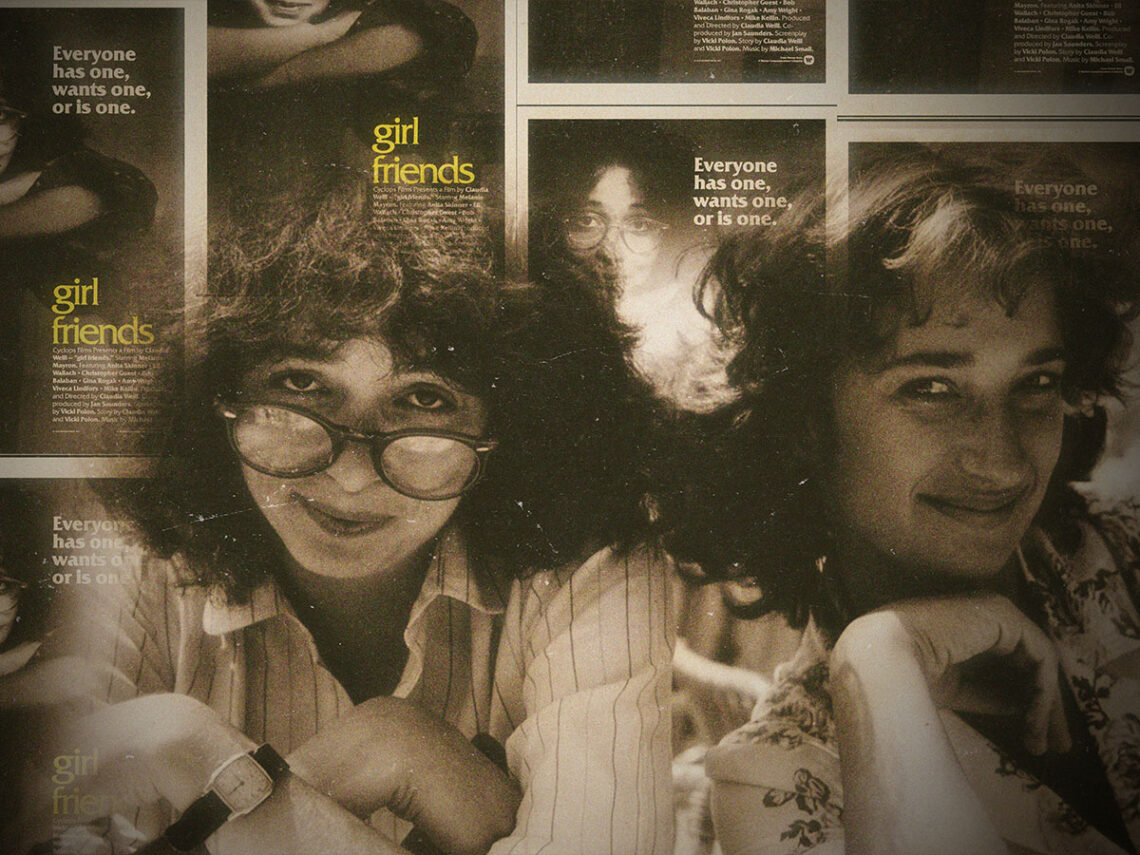
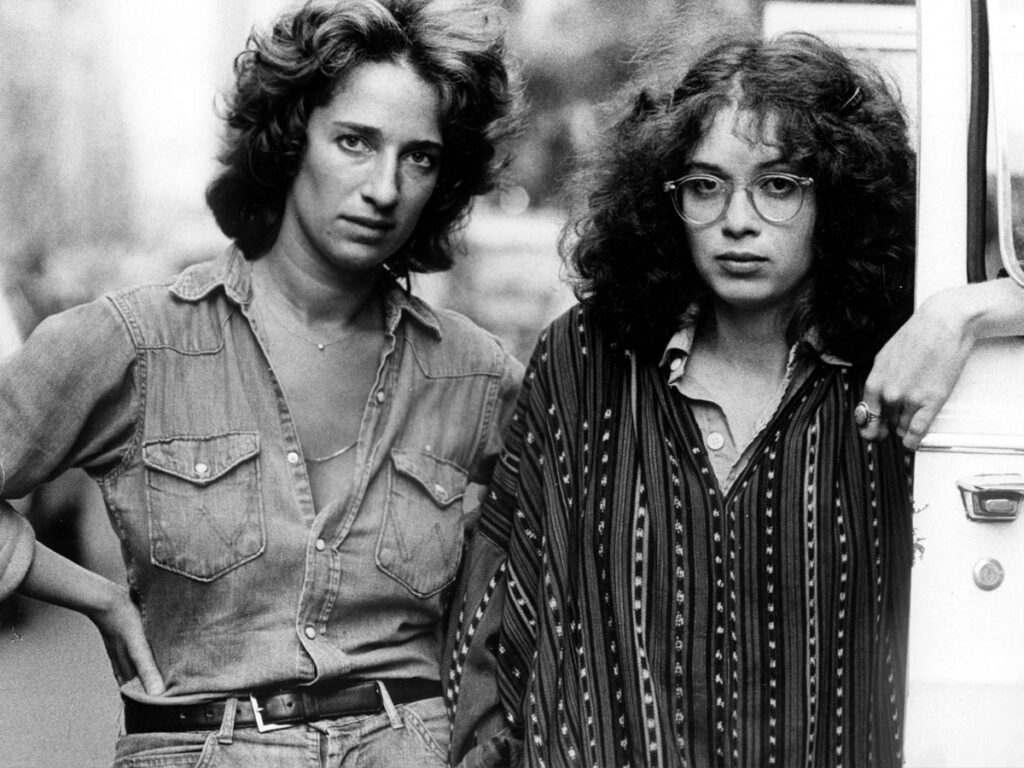
Stop me if you think you’ve heard this one before. A pensive, funny and grounded look at modern femininity told via the story of a young woman struggling to make it as a creative in New York City, juggling the stresses of dating and family while still remaining close with her circle of female friends. Nope, I’m not restating the hook of Dunham’s TV show, but the basic plot of 1978s Girlfriends, directed by Claudia Weill and written by Vicki Polon.
It starred Melanie Mayron as the brash photographer Susan Weinblatt, and feels like a thrillingly modern film despite the fact that it’s almost 50. Not only is Girlfriends something of a creative miracle, juggling a warm-hearted tone with a gritty realism that never step on each other’s toes, it’s also a miracle that it exists at all. It was a passion project of Weill’s, who spent three years developing it from a 30-minute short funded by the American Film Institute to a full-length motion picture.
This was achieved by Weill pitching the film to any funding project she could find, scraping together the rest of its $500,000 budget from private investors, then hoping a major studio would take a punt on it. Despite the fact that this was a low-key, deeply feminist comedy about Jewish women in New York City, a film like that could still get a foothold in 1970s Hollywood, and it was picked up by Warner Bros Pictures for distribution.
Don’t just take my word for its quality. When Girlfriends can get the seal of approval from as demanding a taskmaster like Stanley Kubrick, it can impress anyone. In an interview with Vicente Molina Foix, the great visionary director said the film “was one of the very rare American films that I would compare with the serious, intelligent, sensitive writing and filmmaking that you find in the best directors in Europe. It wasn’t a success, I don’t know why; it should have been. Certainly I thought it was a wonderful film. It seemed to make no compromise to the inner truth of the story, you know, the theme and everything else.”
Now, none of this is to say that we don’t need stories about modern femininity because Girlfriends did it in the late 1970s. Nothing could be further from the truth. However, it is always worth remembering that stories like this have been told for generations, and there’s so much we can learn if we take the time to find them.