


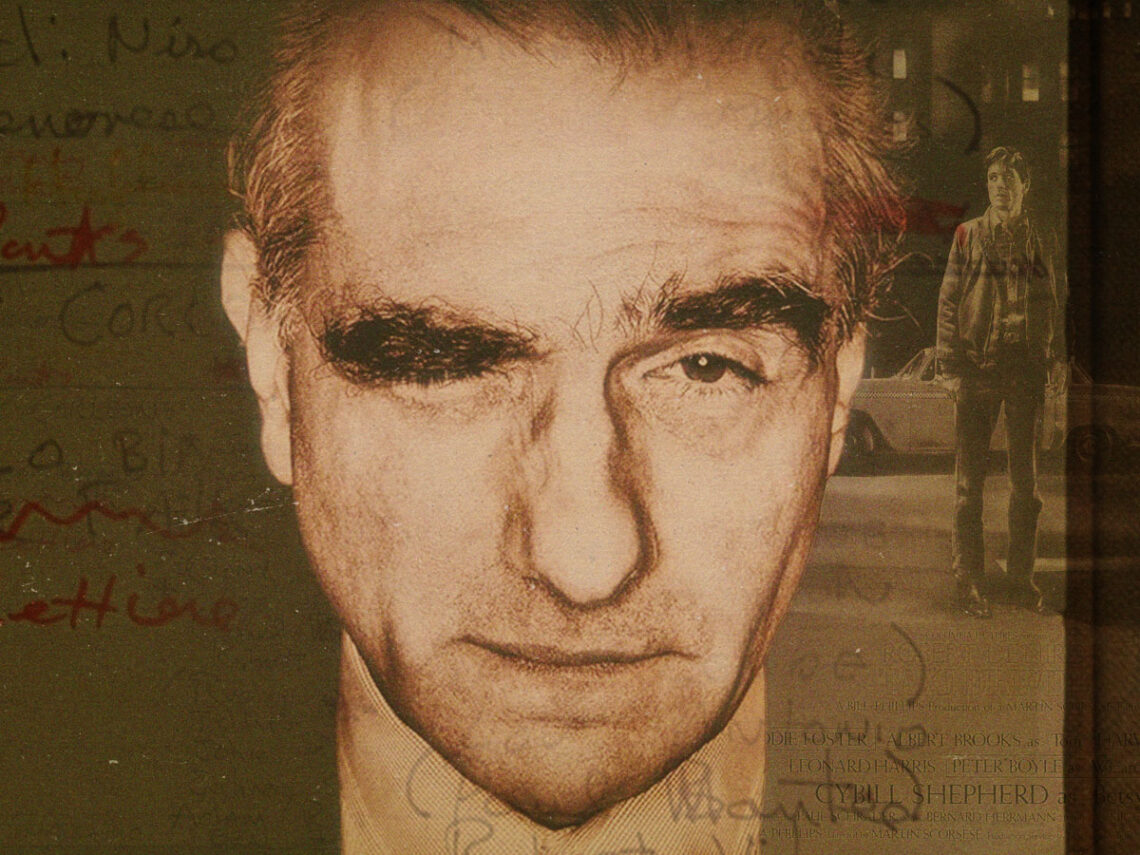
Bleeding lungs and raging bulls: The movie pitch that saved Martin Scorsese’s life in 1978
Martin Scorsese, one of the greatest movie directors of all time, could have tragically been a Jimi Hendrix and Janis Joplin-style cautionary tale of a star taken before their time.
Like both of those luminaries, Scorsese would have had a fistful of unabashed masterpieces to his name at the time of his demise. As a result, we would have missed out on everything else because the man almost stared death in the face in the late 1970s in a haze of drugs.
In a sliding doors moment, his fate all came down to a picture of his that today ranks as one of his most interesting and personal works. Upon its release in 1977, however, the momentum of Hollywood’s golden boy stuttered so badly that he struggled to recover from it, a picture called New York, New York.
The year before, there was nothing that Scorsese couldn’t do. After cutting his teeth as a camera operator, editor and assistant director in the late 1960s, Scorsese was given the reins proper in 1972 to make it as a Hollywood director. After a decent start with 1972’s Boxcar Bertha, he then went on a three-film run that any director worth their salt would give their firstborn child for. The first was Mean Streets in 1973, Alice Doesn’t Live Here Anymore followed up the next year – two pictures that couldn’t be more different.
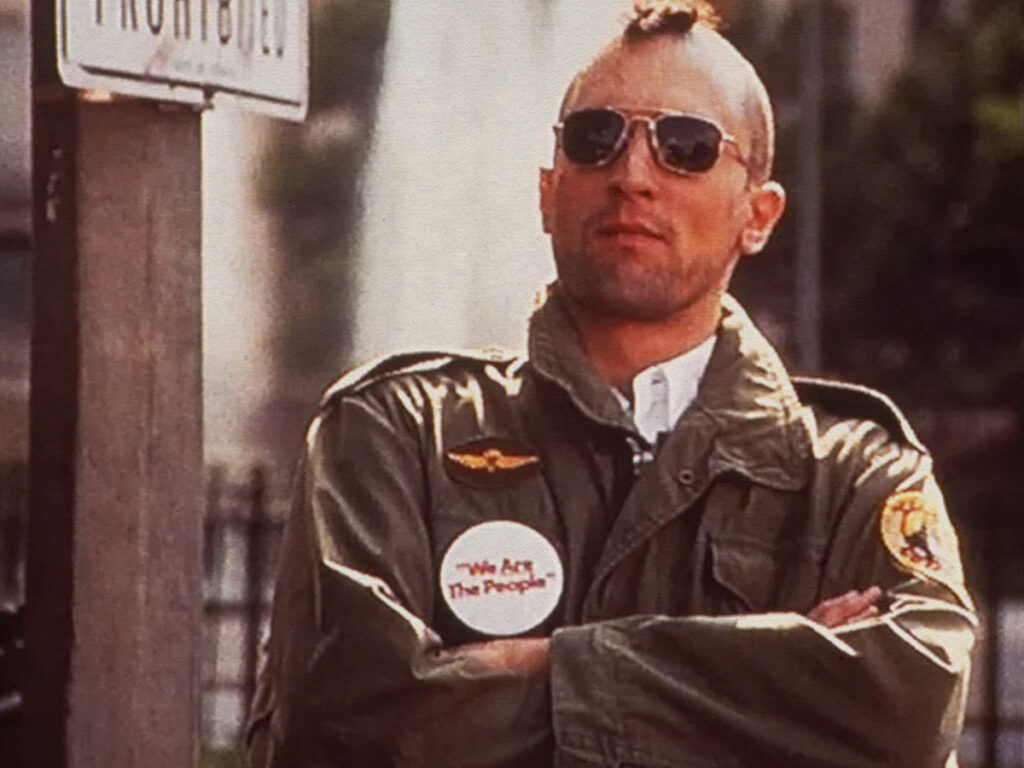
Then everything went stratospheric in 1976 with Taxi Driver. The previous two films had been hits in their own way, especially Alice Doesn’t Live Here Anymore, but Taxi Driver was a cultural phenomenon that everyone had an opinion on. Suddenly, Scorsese wasn’t just a jobbing director with a few hits to his name, but as much of a celebrity as any of his leading men.
Unfortunately, dealing with that level of fame and success didn’t come easily for him.
How did Scorsese whiff his follow-up to Taxi Driver?
Much like the gritty Mean Streets had been followed up by the gentler romantic comedy Alice Doesn’t Live Here Anymore, Scorsese wanted to follow up Taxi Driver with something slightly less intense. He decided to begin work on a script that had caught his attention a few years earlier, a musical production that he felt could bridge a gap between the gritty, documentary-like films of the late 1970s and the lush, mega-budget musicals of his parents’ generation.
The issue was that Scorsese wasn’t handling his newfound celebrity particularly well. He’d developed a cocaine addiction that would rival any rock star of the time, and the making of New York, New York was infamously fraught, including Scorsese cheating on his wife with his leading lady, Liza Minnelli. The film cratered on release, flopping with critics and audiences alike, and Scorsese just couldn’t cope with his failure. He then fell into a drug binge with his friends in the Grateful Dead, which, at its worst, caused him to collapse and be rushed to the hospital.
The doctors revealed that whatever the great director had been snorting hadn’t been doing him any good. In fact, it had totalled his body so badly that he was bleeding from the lungs. According to a profile written for Vanity Fair, this wasn’t exactly by mistake. He said that not only was he about to die, but “a very, very major part of [him] wanted to”. This was until his close friend Robert De Niro dropped by his hospital with a pitch for a film.
In true tough love fashion, the message wasn’t “the only way this film gets made is with you, so you’ve got to pull through!”, it was “this film is going to get made with or without you, so get your shit together and let’s do this.” Scorsese was uncertain, but the moment that De Niro told him that the film’s lead character, embittered boxer Jake LaMotta, was Scorsese in all but name, he found the motivation to get back up, get clean and get back to work.
Raging Bull, along with his masterful concert movie The Last Waltz, righted a ship that was in danger of capsizing, with results that would have almost certainly been fatal for one of the greatest directors alive.