


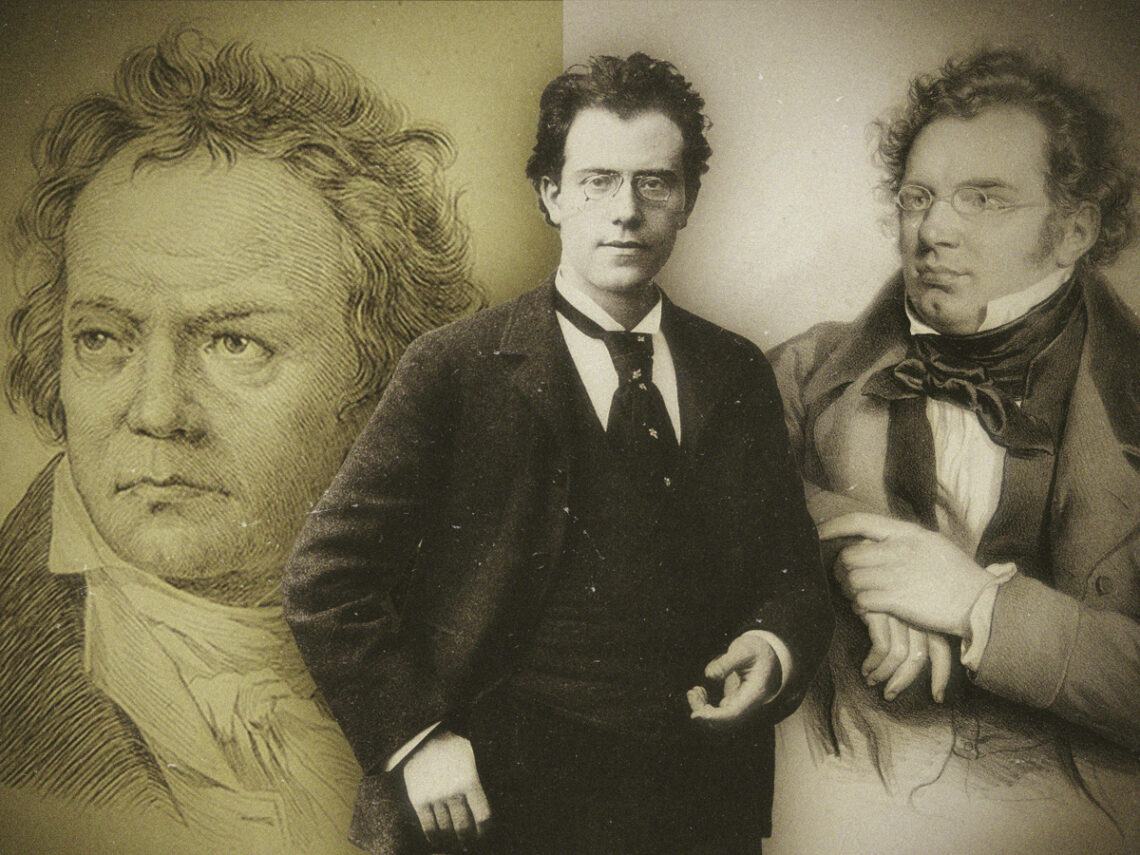
The Curse of the Ninth: do composers die after their ninth symphony?
For all the rarified airs and graces classical music composers are greeted with today, they were the rock stars of their day.
They were mad, bad and dangerous individuals. Starving artists for whom the only thing more important than where the next symphony was coming from was where the next drink was coming from. They were wastrels, misfits and addicts with train-wreck personal lives, all sense of security and stability sacrificed for the chance to live forever as an artist. Or at the very least, the chance to bang that cute Duchess after the show. Maybe her husband as well, if he’s into it.
They weren’t the culture the way we know it today; they were counter-culture. Riots started at their premieres, women fainted at the prospect of seeing them perform, and as with everything that comes with the counter culture, rumours spread like wildfire. The kind of rumours that don’t just concern themselves with individual composers but the entire act of being one. Like it’s not a mere job, but a calling, one that you give yourself to fate to be a part of.
The clearest example of this is the so-called curse of the ninth, the phenomenon that suggests the moment you finish your ninth symphony, your days are numbered. Whatever your age, whatever your health, whatever your finances or the state of your liver, if you’re a great composer, you will not live to see your tenth symphony premiere. You might not even live to see it finished. The irony of this all is that this is a curse perpetrated by the man most afraid of it.
A man by the name of Gustav Mahler.
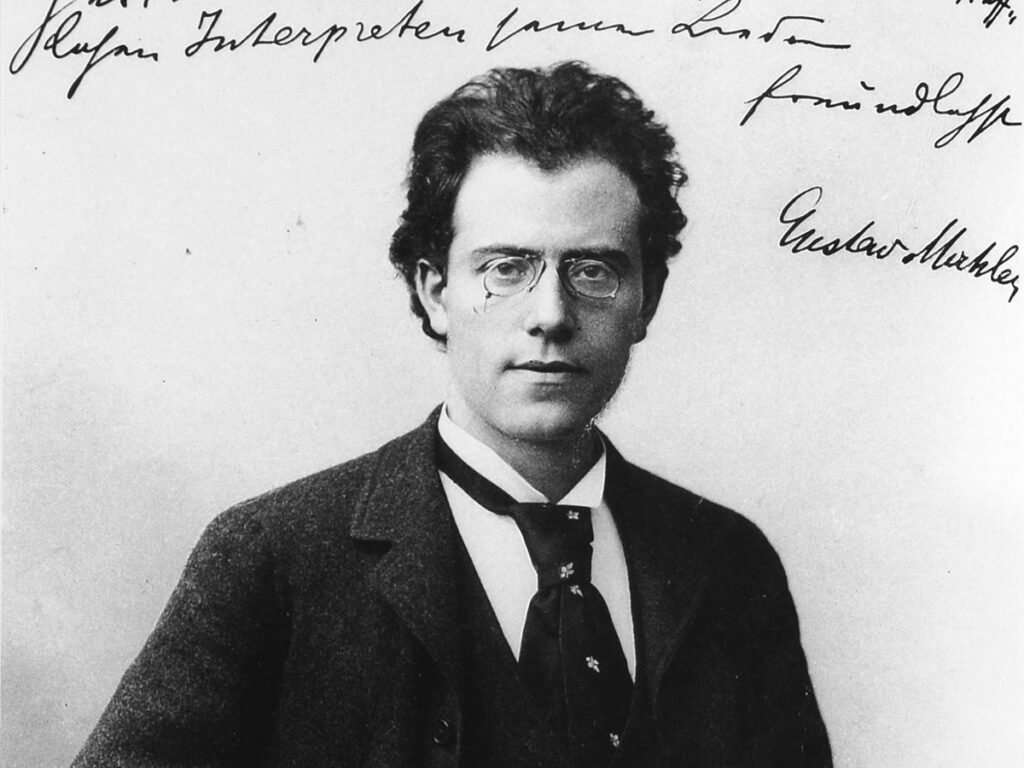
How did Mahler begin the curse of the Ninth?
Mahler wasn’t just a composer but a man who was immensely learned about the history of music. In 1906, he completed his eighth symphony aged 56 and immediately began having a mental breakdown over a single fact. One that most would dismiss as coincidence but not a man as prone to fits and frights as Mahler. Both Ludwig van Beethoven and Franz Schubert had passed away before completing their tenth symphonies and thus, Mahler would only have one left before the reaper came calling.
Now, this is obviously a coincidence, but the more he looked into it, the more panicked he got. Both Anton Bruckner and Antonín Dvořák died shortly after finishing their ninth symphonies and ranted to anyone who would listen about how much he needed to finish his next work or else, he’d be the newest victim of it. At first, he thought he had, finishing Das Lied von der Erde shortly after finishing his eighth symphony, a body of work that shares some structural similarities with a song cycle but is generally considered a symphony.
This gave him the inner peace needed to finish his ninth symphony and feel, at least for a moment, that he was free of the curse. He started work on his tenth symphony before passing away before it could be completed, leaving him with nine symphonies. Just like his forebears. However, this is where things start to get scary. Luis Humberto Salgado also had the same fate shortly after. So did Alfred Schnittke. So did Roger Sessions, and Ralph Vaughan Williams, and Boris Tishchenko and countless others.
So, was Mahler right the whole time? Was there really a curse? No, obviously, countless composers have passed ten, but it’s a good story. One that adds to the mystique of the composer, and that’s what counts above all else.