


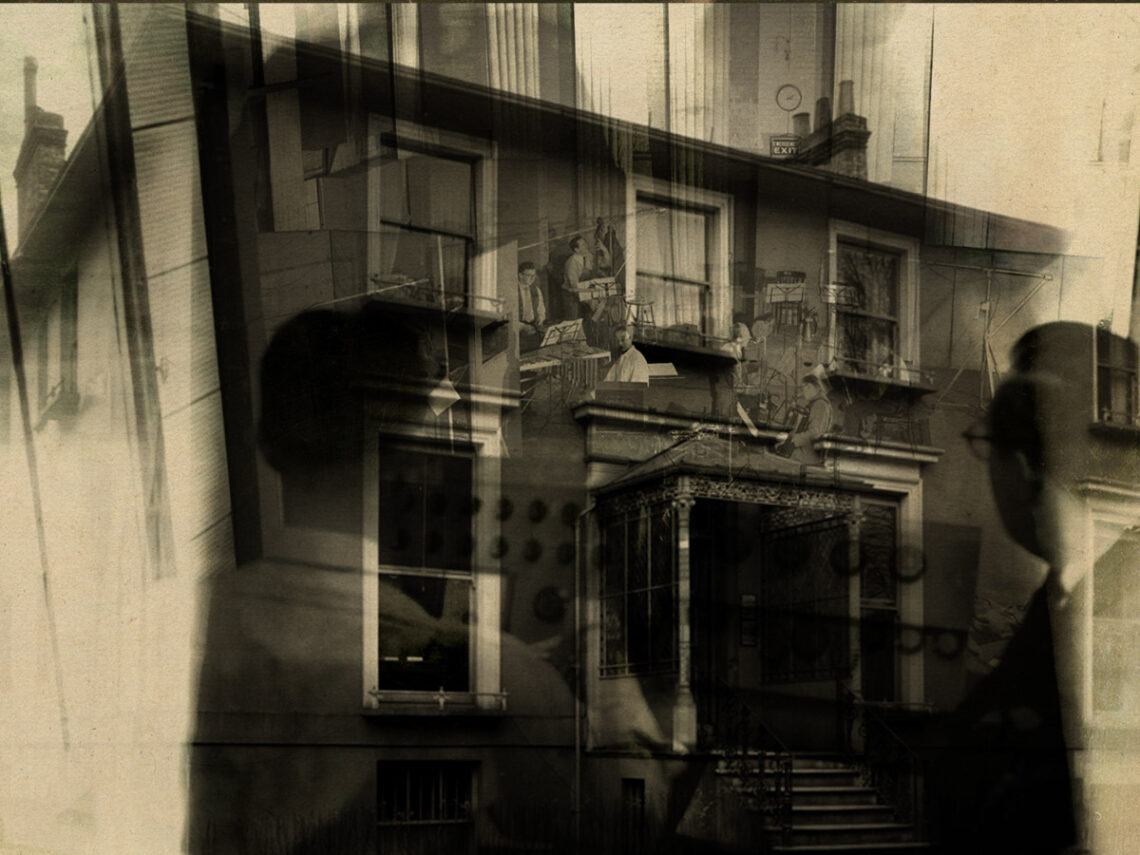
Golden Spectres: The ghosts of Abbey Road
Anyone who has ever spent a day at Abbey Road Studios will tell you that you can feel the history that was made there.
From the moment you step inside, long before you head into any of the actual studios that make up the complex, the sense of history in every square foot of the place is almost overwhelming. You’re standing in the same spot that nearly every great act in the history of pop music has stood in before. Call it romanticism, call it boomer nostalgia, call it what you will, there’s something about standing in that building that you just don’t get from any other recording studio in the world.
Perhaps it is quite simply because of what The Beatles accomplished in that building. They wrote the blueprint that pop music still follows to this day. Even without the rose-tinted spectacles handed to everyone who lives in this cursed nation with “only for use when observing The Beatles” written along the frame, that’s important history. However, it’s also possible that the strange feeling everyone gets when stepping into the hallowed halls of Abbey Road is something very different.
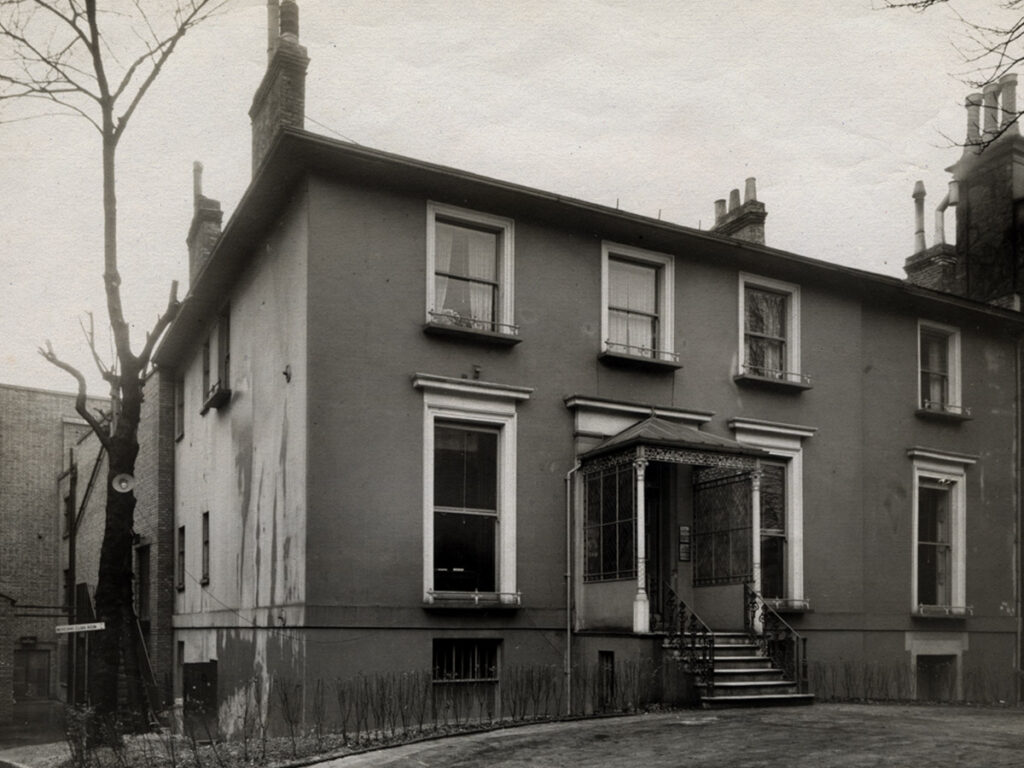
You see, Abbey Road, or EMI studios as it was known in the 1960s, had already been a recording studio for 30 years when The Fabs moved in. Before it opened in 1931, it was a nine-bedroom Georgian townhouse built in 1831. People have been on the site of Abbey Road Studios for literally two centuries, and with all that history, only one thing is certain. People are going to claim they’ve seen ghosts there, and Abbey Road is no different.
So let’s have a look and see who we might find the next time we want to be seen on that naff webcam looking at the crossing outside, shall we?
What are the ghosts of Abbey Road?
Any building that’s been operational for that long is bound to have some strange stories attached to it. The kind that makes stories of haunted theatres so compelling. Abbey Road is no different, with stories of doors opening and closing on their own, the strong smell of perfume suddenly filling the room apropos of nothing. Things get a little stranger with reports of a stain in the attic that changes colour depending on who looks at it.
All fairy pedestrian stuff until you get to the story of The White Lady. Many people who’ve worked in Abbey Road for an extended period of time have the same story. That’s when they’ve been working particularly late at night, often when the studio has closed for the day, they’ve seen a figure walking through the halls. The doors opening by themselves to let a lady in a white dress through as she makes her mournful rounds for the night.
What makes this even creepier is that the site might just have an unsolved murder in its history. As mentioned before, the studio was a house before it was converted. In the 1920s, that house belonged to Arthur John Maundy Gregory, a theatre producer who had a neat little side gig selling honours for the British Prime Minister David Lloyd George. Gregory lived at the house with his friend, the actress Edith Rosse in a lavender marriage, covering up Gregory’s homosexuality,
In 1932, Rosse died under suspicious circumstances. Gregory ordered that his “wife” be buried in a Thameside burial plot that was prone to flooding, under an improperly secured coffin lid that meant that no adequate post-mortem could be completed on her body. It could possibly be a coincidence until you consider that Gregory was strapped for cash at the time, and a few days before Rosse’s death, he’d convinced her to write him into her will. He received £18,000 as a result of her death. Now there’s a coincidence for you.
Perhaps The White Lady is Rosse, wandering the halls of music history until Gregory is brought to justice. Until then, there are worse ways to spend an afterlife than palling around with Paul McCartney. After all, he’s buried out back, right?