


The strange connection between cult leaders and folk music
When it comes to cult leaders, the conversation typically consists of the end of their journey, and we very rarely talk about the route they took to get there.
On the surface, this makes total sense. After all, what makes cults so deeply fascinating is the way that one person can get dozens, sometimes hundreds or even thousands in rare cases, captivated under their spell. No matter how degrading it is to the followers or how unearned it is for the leader. Anyone can get a handful of misguided people to do as they say, but it takes a special kind of maniac to have hundreds of people at their whim.
However, the most interesting thing to me is not the weird, individual stories of what bodily fluids had to be served up to what supposed guru on a plate. Or what alien deity was going to take over the world with love. Or how many strikes with a cat ‘o nine tails it took to swear fealty to the devil. To me, that’s the standard cult stuff. That’s probably not even the work of the actual leader, either. Cult leaders target attractive, charismatic people, who then do the busywork of getting newcomers to believe in their divinity.
God help me, attractive and charismatic people have got me to believe several things in the moment I don’t subscribe to anymore. No, I’m interested in what that person actually did to make those early converts believe in their divinity. As you can imagine, a handful of those converts came pretty literally and were due to their ability to proselytise and be a literal religious leader. A small number of them came from a more basic source of their ability to dole out physical abuse.
However, a surprising number of people were able to build their following on the back of their musical ability.
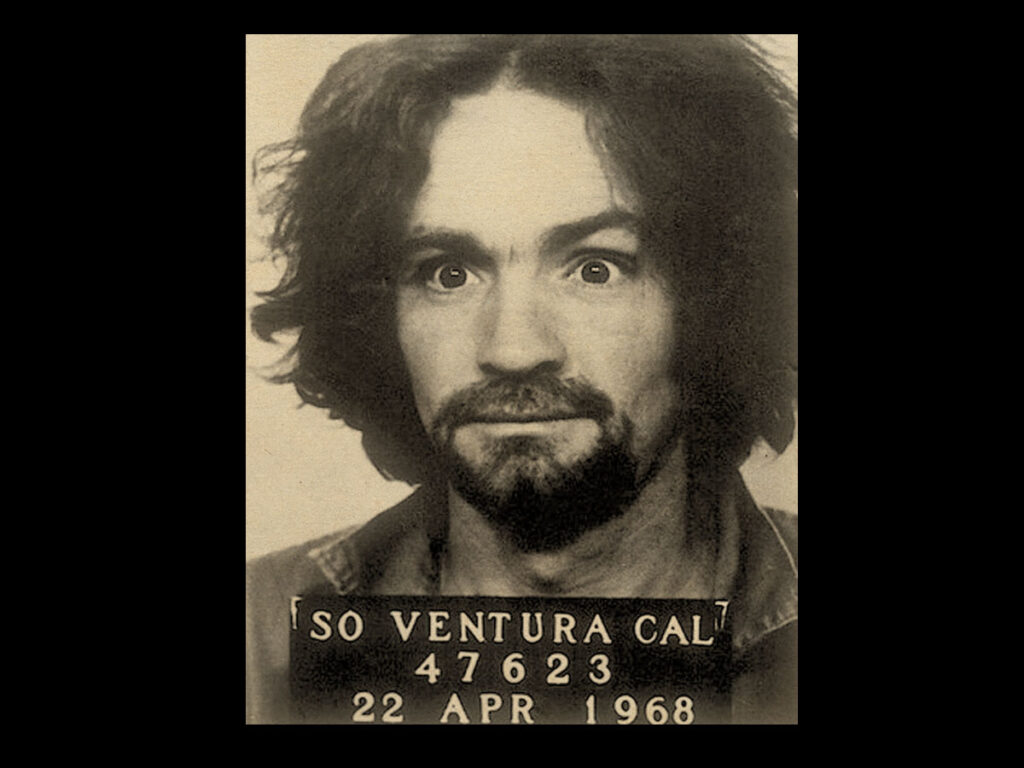
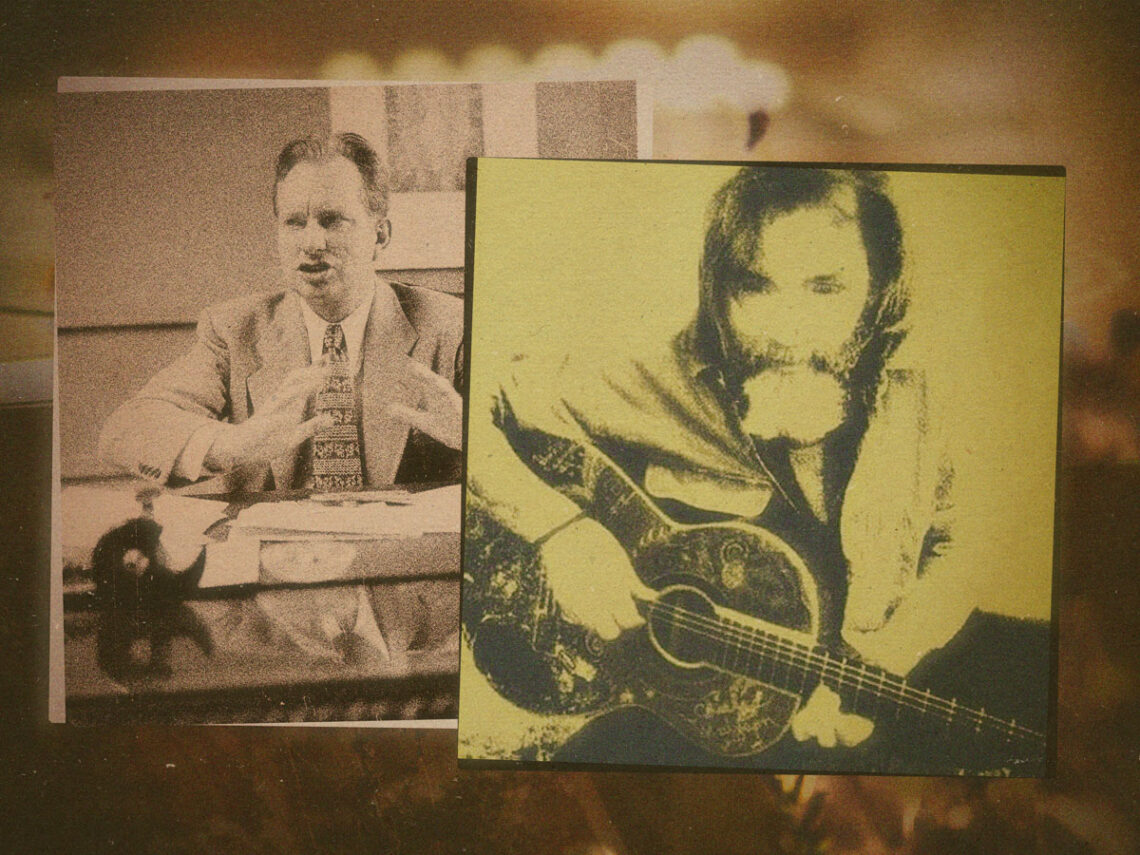
The obvious example here is Charles Manson. The man saw himself as a mix of Bob Dylan, The Beatles and Jesus Christ, but he’s far from alone. Father Yod, David Koresh and Jim Jones all built at least a part of their reputation on their musical skill. What’s more, it was a specific kind of music, as well. All rootsy, singer-songwriter, folk music. The kind that you could hear at any coffee shop in America in the 1960s, and more often than not, done better than Koresh and Manson could have ever dreamed of doing.
There have been exceptions to this rule. The music that Scientology founder L Ron Hubbard made was as maximalist as it could possibly get, much like his novels. A mix of sci-fi, jazz and rock that was often made in collaboration with genuine musicians like Chick Corea and Edgar Winter. However, only die-hard Scientologists would ever claim to have willingly listened to one of his records. But, on the other hand, every try-hard edgelord I’ve ever met has tried to tell me that Manson was “actually a pretty good musician, y’know”.
For me, I’d say that folk music is the weapon of choice for cult leaders because it has the pretensions of being communal music. The term derives from music passed between people, and it is a democratic and egalitarian tradition, unlike rock music, which is supposedly all about one group of people standing in front of everyone and being worshipped. The issue is that no matter how democratic and egalitarian that group thinks it is, it’s still being controlled by the man with the guitar.
That man with the guitar would never admit to it, because the one thing that unites all cult leaders is the fact that they’d never call themselves a cult leader. However, folk music is, bizarrely enough, a fine example of the kind of logic that makes people cult leaders. One person who can make a group of people think they’re all connected to each other. I could be describing a concert there. At the moment that your favourite singer-songwriter steps away from the microphone to let their audience sing the final chorus of the night together.
Or I could be describing something much, much darker.