


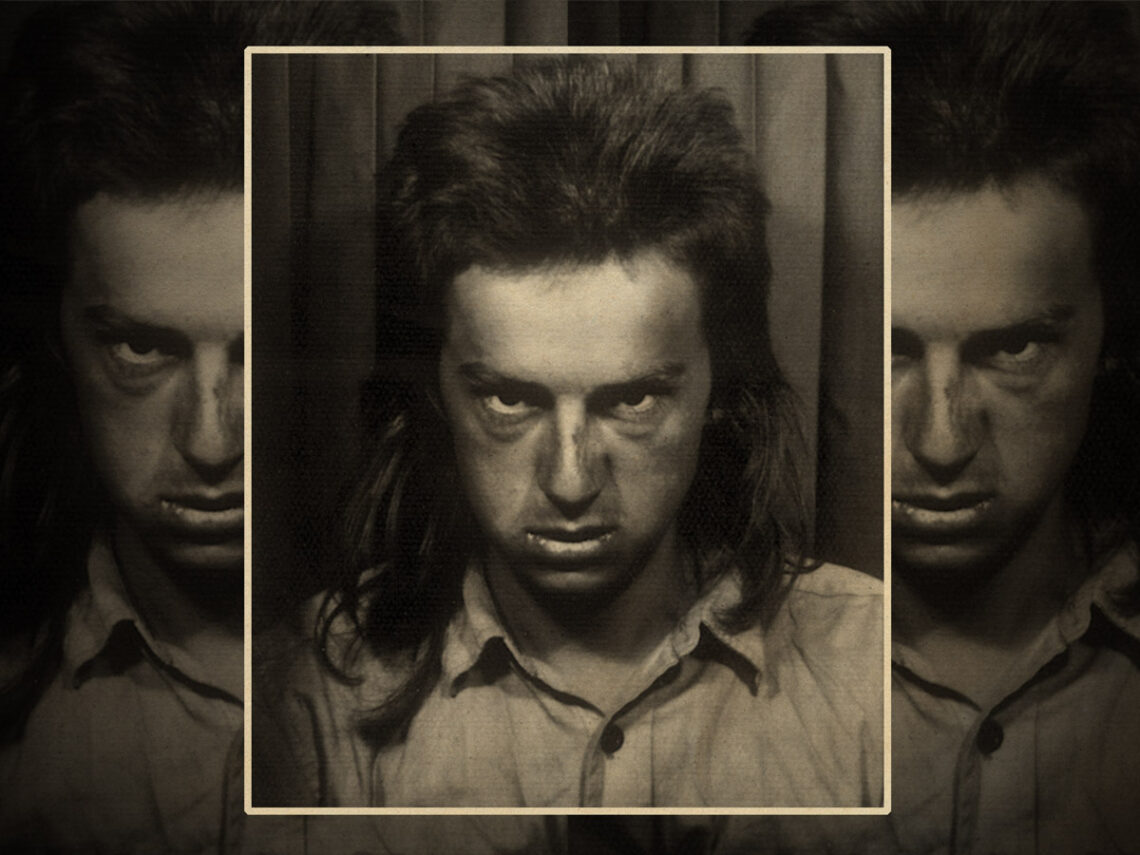
Richard H Kirk’s five favourite albums
You could take just one of Richard H Kirk’s projects and have a musical career to be proud of.
Whether it’s music released under his own name, or as Sandoz, or Electronic Eye, or any of his dozens of pseudonyms, you could be a well-respected and influential figure in dance music. That’s long before you get to the fact that Richard H Kirk also founded Cabaret Voltaire and, for that reason, deserves to be up there with Kraftwerk, Giorgio Moroder and Sparks as one of the godfathers of dance music as we know it. After all that, only one question remains.
What records inspire an artist like that? One who was able to balance his forward-thinking, progressive nature with a spectacular knack for a tune without compromising either. It’s a fine question, and one that, fortunately, Kirk himself provided the answer to. He detailed his five favourite albums in an interview with Colleen ‘Cosmo’ Murphy for Sounds of the City on BBC 6 Music shortly before his passing in 2021 at the age of 65.
He kicked off the list with a perennial favourite of anyone who’s ever made music wild enough for outsiders, yet melodic enough for everyone, David Bowie’s masterpiece The Rise and Fall of Ziggy Stardust and the Spiders From Mars. Honestly, Kirk might have just nailed the appeal of Bowie better than any rock writer ever could by saying that it was “intelligent pop music that made your parents scared”. Music journalism’s loss was music’s gain, it seems, as it often is.
Ziggy Stardust might just be the most accessible record on the list. At its heart, it’s a rock ‘n’ roll record so steeped in the classicism of the genre that Bowie had to be talked out of including a Chuck Berry cover on it.
Next up is a record that is perfectly balanced between the past and present of pop music of its day, Roxy Music’s self-titled debut album. Kirk puts it best when he says, “It is all at once retro and futuristic”. A triumph of putting together a “clash of styles which shouldn’t really work”, yet does perfectly.
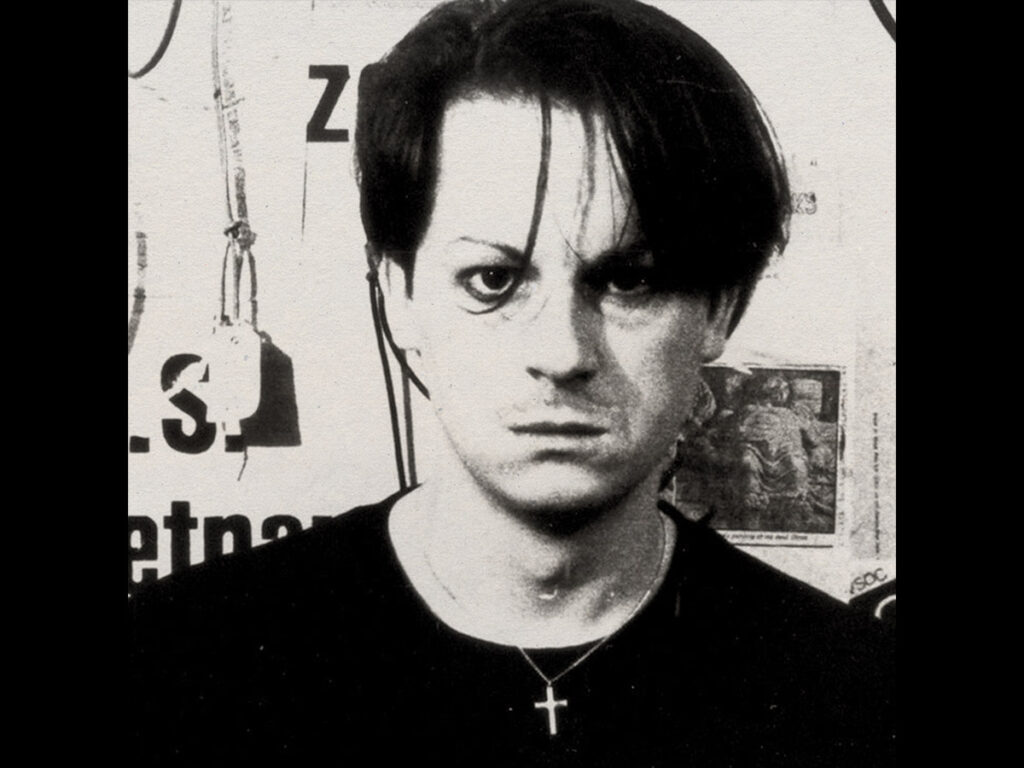
What other albums are the favourites of Richard H Kirk?
Then, you get a record that took the fundamentals of rock ‘n’ roll and pushed them past the point of no return, leaving something far bigger, darker and more enthralling in its wake. To this day, few records show you how to push the boundaries of a genre with quite as much sheer power as White Light/White Heat by the Velvet Underground. It’s arguable that Kirk says the quiet part loud when he says of the record, “it was a blueprint for Cabaret Voltaire on many levels”.
However, he’s not the only one to build a career on aping the Velvets and even six decades after the band’s heyday, he won’t be anything close to the last.
So far, so guitar-heavy. It sounds strange to think about it today, but what you’ve got to understand is that at the time Richard H Kirk was growing up in the late 1960s, guitar music was your only option as far as pop music was concerned. There were some seriously experimental outfits working with synthesisers earlier in the decades, but they wouldn’t be turned into pop music for another decade, when the instruments could be (relatively) affordable to a private customer. Like, for example, an up-and-coming German rock band looking to change their sound.
That’s right, next up on Kirk’s list is Computerworld by Kraftwerk. If anyone knows anything about the work of Richard H Kirk, they were waiting for a Kraftwerk album to drop and, credit to him, Kirk acknowledges this in the interview. He says that the band “invented electronic dance music as we know it”, and few people can say that with the kind of authority he can. This level of authority is arguably proven by the last album on the list, a record by its least well-known artist.
Keith Hudson was a dub artist who was a darling of John Peel’s radio show in the early 1970s. It’s a sign of how diverse Kirk’s taste is that his third album, the remix album Pick A Dub, finds its way onto the final slot of his list. Of the record, Kirk says, “It triggered a lifetime appreciation of dub music that still endures to this day and by default was a big inspiration on my work with Cabaret Voltaire and beyond.”
A reminder that you can never have too many kinds of music in your life, no matter whether you’re making it or listening to it.