


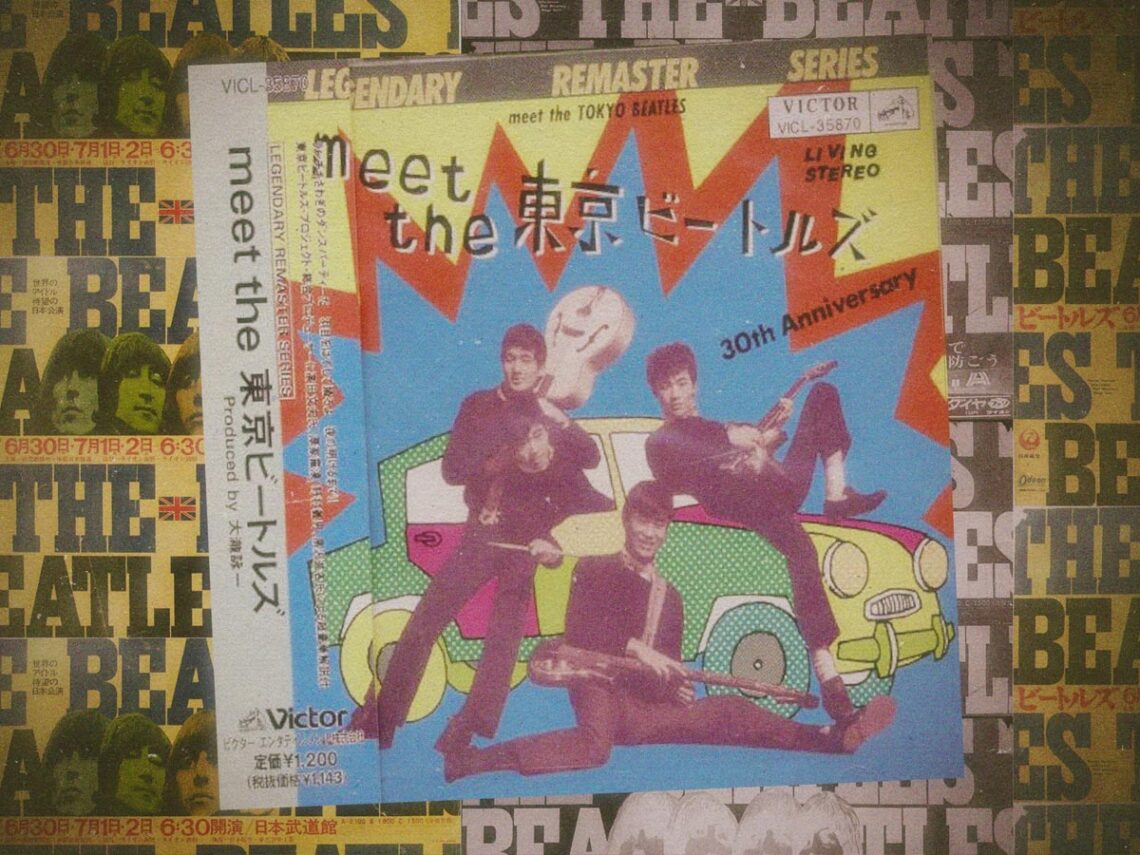
Meet The Tokyo Beatles: Japan’s wonderfully strange Fab Four knock-off
Lots of Beatles on the site of late, but that’s OK. You can never have enough Beatles, can you? Of course not.
One of the more curious by-products of Beatlemania was the sheer number of groups around the world who decided that if four lads from Liverpool could conquer the planet, perhaps they could have a crack at it too. Some copied the haircuts, some copied the suits and some copied the songs. A few even managed respectable careers of their own. Then there were The Tokyo Beatles, who somehow managed to become one of the strangest and most obscure Beatles offshoots of them all.
The Tokyo Beatles were a cover band with a couple of twists (and shouts) that set them apart from other Beatles tribute acts. First off, they were, obviously, Japanese, and sang wonderfully mangled Japanglish versions of Lennon and McCartney compositions. There were also only three of them, and their arrangements were almost jazzy in places, which isn’t exactly the first thing that springs to mind when you think of Beatlemania in 1964.
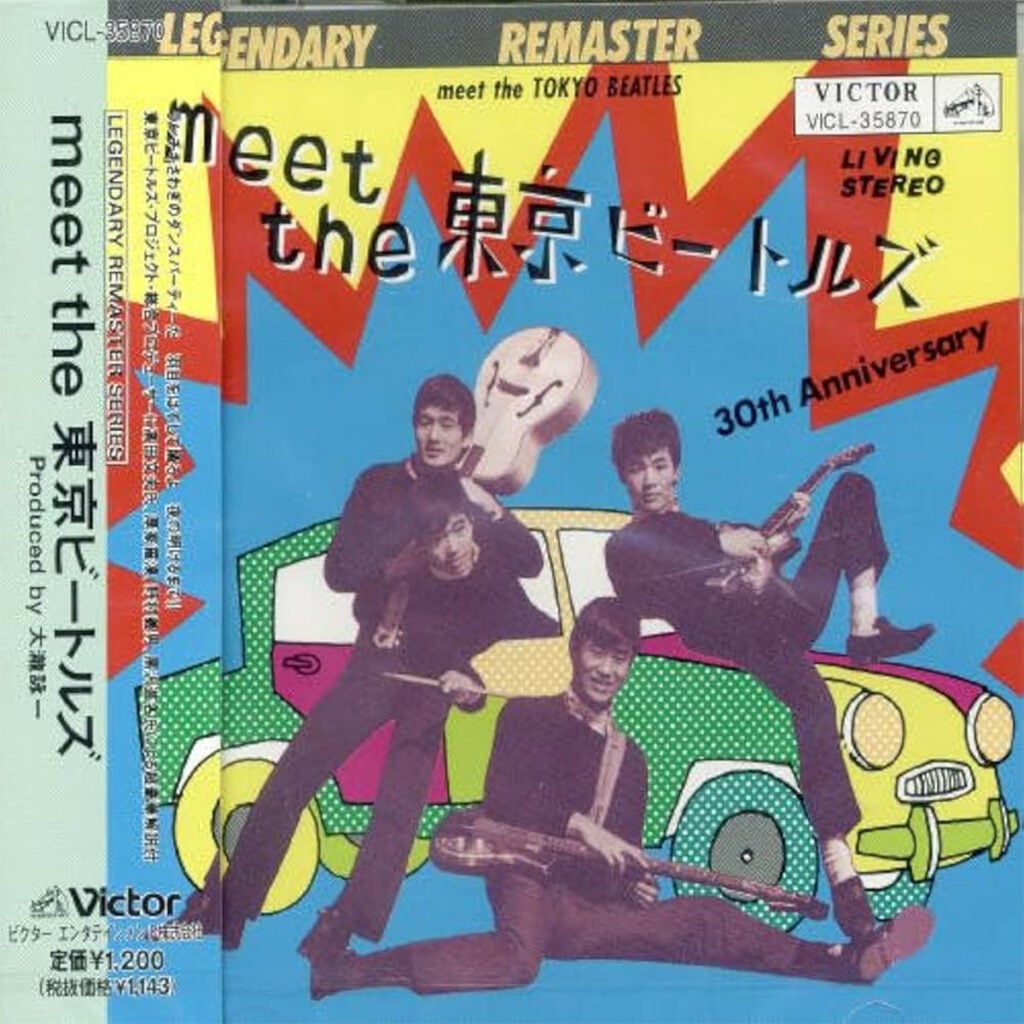
I have a copy of their only album, Meet The Tokyo Beatles, released by RCA in 1964. It was given to me by Pizzicato Five’s Yasuharu Konishi back in 1994 when I was visiting Japan, and it’s remained one of those records I pull off the shelf whenever I want to remind myself that the history of popular music is full of marvellous little dead ends.
What’s especially intriguing is how little anybody seems to know about them. Usually, once the internet gets hold of something this odd, somebody somewhere uncovers the story. Not this time. Information on The Tokyo Beatles is astonishingly scarce in both English and Japanese, which only seems to add to their mystique. They’re one of those groups who appear briefly, leave behind a single LP and then seemingly evaporate into history without so much as a farewell gig.
The only contemporary reference I’ve managed to find comes from an old issue of LIFE magazine, part of its excellent “Youth in Japan” special edition. The article includes a photograph of the group and mentions, somewhat cruelly, that while the real Beatles were becoming millionaires, The Tokyo Beatles were earning just $85 a month and possessed considerably more hair than talent. Ouch.
Of course, missing the point has always been one of the occupational hazards of journalists writing about pop music. The appeal of The Tokyo Beatles has very little to do with technical ability. Nobody is putting these records on because they’re expecting definitive versions of Lennon and McCartney classics. The fun lies in hearing those songs filtered through another culture at the precise moment Beatlemania was beginning to spread around the globe. The unfamiliar pronunciations, the occasionally peculiar arrangements and the sheer enthusiasm of the performances make the album feel less like a cynical cash-in and more like a charming cultural snapshot.
Listening to it now, it’s also a reminder of how quickly the Beatles became an international language. Within months of conquering Britain and America, their music was already being enthusiastically reinterpreted on the other side of the world by musicians who clearly adored the songs, even if some of the lyrics occasionally emerged sounding as though they’d survived a particularly rough game of international telephone.
Which, if anything, only makes the record even more endearing.
Ladies and gentlemen, may I introduce to you…
The Tokyo Beatles!!