


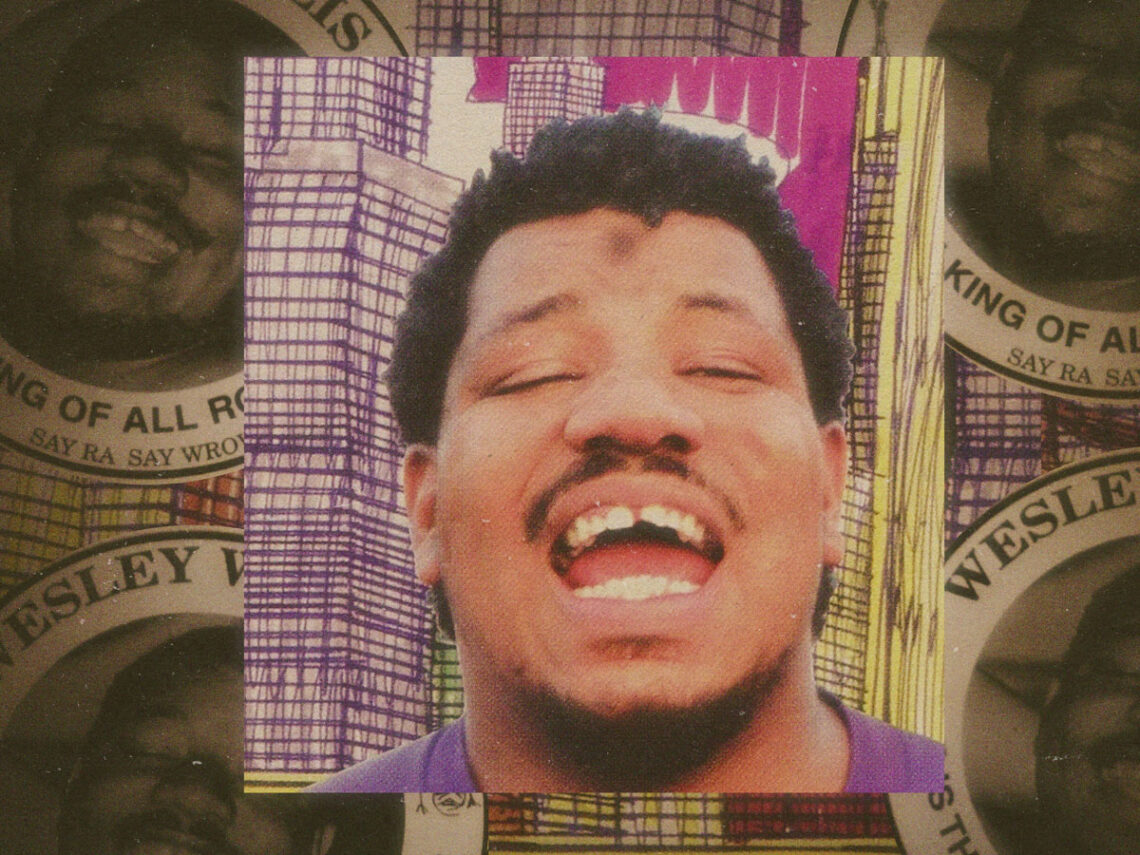
The Ballad of Wesley Willis: what it means to love an outsider artist
I’ll level with you, dear reader. I never know what to think when talking about an artist of any kind with debilitating mental health conditions.
On the one hand, these people deserve to be treated with respect and humanity, and part of that is recognising their contributions to the world of art separately from their illnesses. On the other, when we talk about the art of Vincent Van Gogh, Brian Wilson and especially Daniel Johnston, are we talking about them seperately from their illness? Or are we at best infantilising them and at worst outright exploiting people who are a danger to themselves and others?
At its worst, it feels like a modern-day freak show to me. People dress up a desire to gawk at other people different to them as artistic appreciation. Fans of Daniel Johnston, in particular, I feel are guilty of this. The guy was a wonderful songwriter, but I can’t help but feel his status as a cult hero comes from the myth and legends surrounding his condition and not from those songs. If people really did value the childlike wonder and joy at the heart of his songwriting, a few more of them would also be singing the praises of Wesley Willis, too.
A Chicago native and an underground singer-songwriter, Willis made a career belting out half-rapped, half-sung compositions built around the auto-accompaniments of a Technics KN Keyboard and his own vivid imagination. Topics covered in his absurd amount of songs were everything from things as mundane as bus routes and fast food joints to as surreal as violent confrontations with superheroes and being chased by demons.
Unfortunately, that last one wasn’t a product of his imagination but a regular part of his day-to-day life.
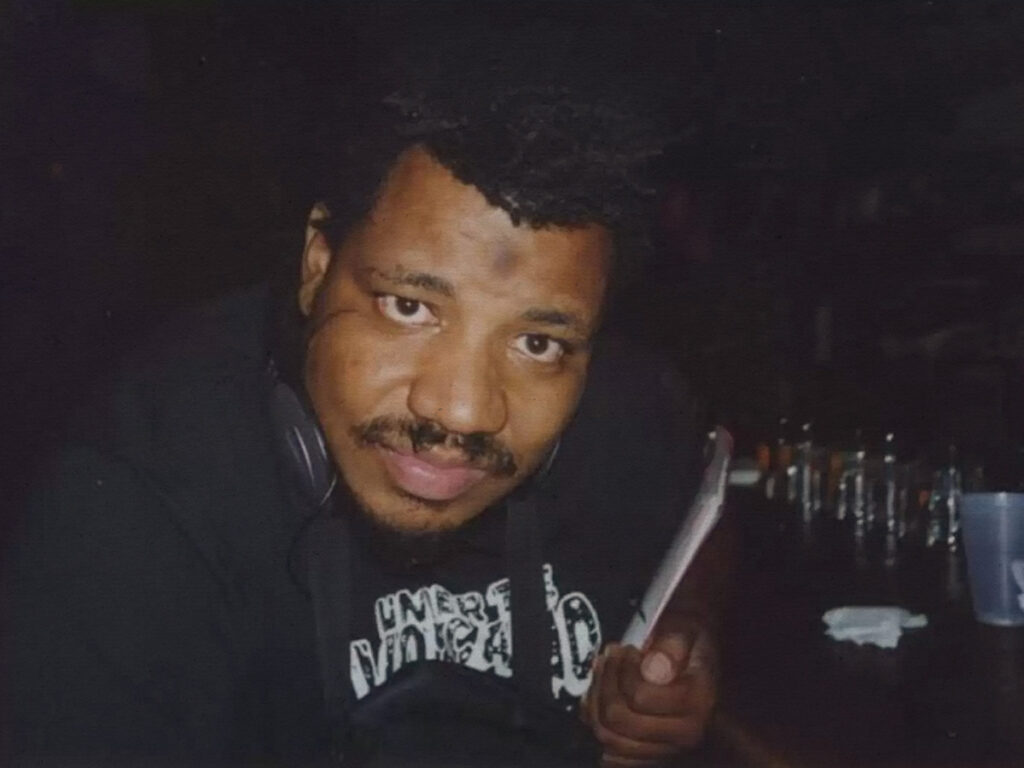
The outsider art of Wesley Willis
When Willis was in his 20s, his mother was in an abusive relationship with a man called Roger Lee Carpenter. The last time Willis’ family saw Carpenter was when he held a gun to Wesley’s head and robbed him of the $600 that he’d saved.
After this traumatic experience, Willis began to hear voices in his head and was diagnosed with paranoid schizophrenia. These would intensify when he was out of the house and especially when he was on public transport.
Willis turned these encounters into his first songs, where he would dramatise these encounters before, hilariously enough, telling these demons exactly what hole they could fuck themselves in. Seriously, these songs became therapy for Willis, a space where he could take control of his demons, literally and metaphorically. This is just what songwriting is for most people, and in Willis’ case, it involved telling his demons just how much they fucking sucked. Good on you, lad!
In 1991, formed the punk band the Wesley Willis Fiasco and brought these songs to the underground Chicago rock scene, where he became a cult favourite. Thanks to high-profile fans like Eddie Vedder, Henry Rollins and especially Jello Biafra, he signed a deal with Rick Rubin’s American Recordings in 1995 and spent the next few years releasing music to a tight-knit community of fans.
Tragically, this wouldn’t last much longer, as he died in 2003 of leukaemia at the age of 40, but he still leaves behind a legacy that inspires us all.