



The ‘Epstein Gamer’ conspiracy explained: Understanding Jeffrey Epstein and his connections to the gaming industry
The Epstein files case really does show all the very worst aspects of life over the last 20 years.
Unchecked corruption. Unimaginable wealth. Unconscionable things are done to the most vulnerable people in our society, and the an unshakeable feeling that these monsters did this because they can and will get away with it. What it also shows is the deeply surreal, deeply disturbing fact that outside all of the billionaire trappings and disgusting abuse of children (honestly, the two acts seem to be one and the same), ordinary people have more in common with the super-rich than you’d think.
The emails brought up by the files are this horrifying mix of the worst crimes that humans can inflict upon each other and the most mundane things imaginable. Casual chat about music. Asking if they’d caught the game last night. Lunch orders, check-ins, all pockmarking the inbox, along with the kind of images and text chains that genuinely make you lose faith in humanity. Tucked away among them is some evidence to suggest that Jeffrey Epstein really was a lot more like us than anyone would like, as well, considering his casual appreciation for the 21st century’s defining hobby.
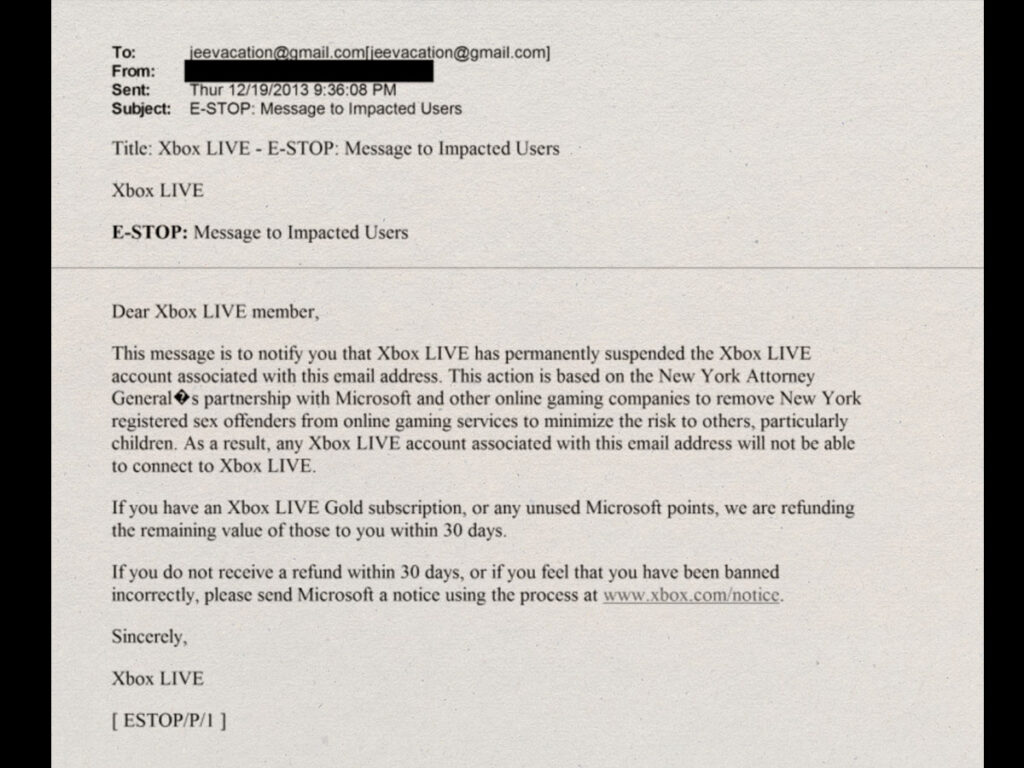
That’s right, there’s enough evidence to suggest that Jeffrey Epstein, notorious pedophile and financier, was a gamer. There are more than a few video game-related emails to him in the files, most notably an email from Xbox banning him from their live service in December 2013. Anyone who’d ever spent a moment on an Xbox Live server would know that it would take a man like Epstein to be banned from there, but his connections with the hobby go deeper than that.
After all, the files show that he seemed to have a hand in everything going to shit over the past 20 years, and gaming is no different.
What other connections did Epstein have to gaming?
Epstein had the kind of connection to gaming culture that anyone posting on 4Chan might have had, except he also possessed the wealth and access to ingratiate himself at the highest levels of the industry. This was someone who could allegedly directly contact senior executives at major gaming companies and supposedly float ideas about monetisation strategies being integrated into flagship franchises, suggestions that would later become commonplace across the industry.
As if confirming that real-life villains can sound as cartoonish as fictional ones, he reportedly spoke about “indoctrinating kids into an economy,” a phrase that feels chilling for obvious reasons. Other documents have sparked further speculation, including claims that he may have been connected to a series of gaming-related tutorial videos uploaded online, though none of this has been definitively confirmed.
So what does all this show? At the very least, it undercuts the idea that destructive corporate practices are simply the neutral “will of the market”. Instead, they are often shaped by powerful individuals operating without accountability. It is a sobering reminder that we cannot entirely distance ourselves from people like this. Their crimes were monstrous, and their power insulated them from consequences for far too long. Yet they operated within the same systems the rest of us participate in.
It is uncomfortable, but it means we cannot assume that familiarity equals safety. Knowing someone personally does not make them incapable of wrongdoing. No one is beyond that capacity.