


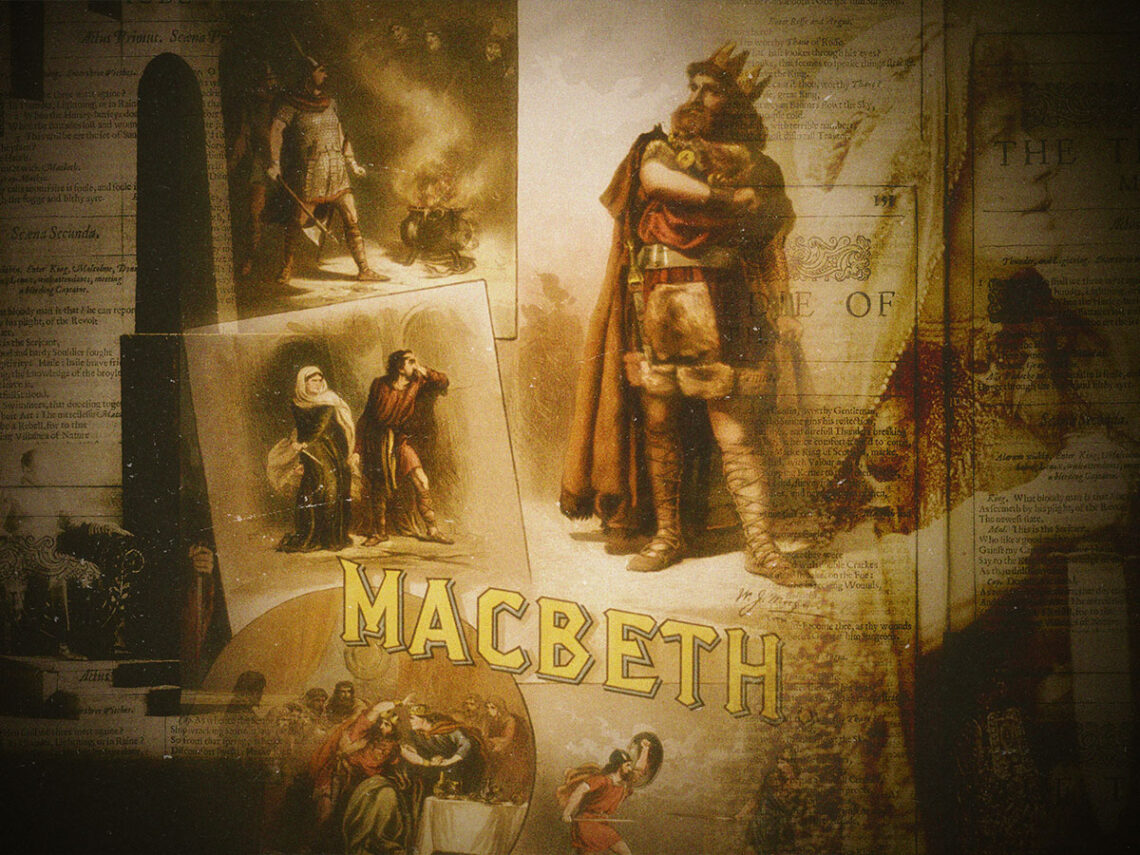
Toil and Trouble: the truth behind the curse of ‘Macbeth’
Actors are, infamously, a suspicious lot. Many people, however accurately, would chalk that phenomenon up to the presence of that many sensitive, artistically minded people in one industry. However, I think there’s a much more obvious reason why, for example, thousands of grown adults are terrified to say the word Macbeth in a theatre.
You see, acting is a hard industry. One with basically no job security for anyone other than the 1%. This is despite the fact that actors do have union support, yet still, for the vast majority of people who work in the industry, it’s a boom-or-bust kind of a job if it’s even a job at all. The psychological toll of never being able to be truly comfortable in your own job can take its toll, and thus, actors have to find a way of coping with just how precarious their entire lives can be.
Thus, you get superstitions, traditions, jinxes and, in this particular case, curses. That of never, ever saying the name Macbeth inside a theatre unless you’re reciting the play’s script. It’s arguably the most famous of all the theatrical curses, for a number of reasons. I mean, for one, it’s regarding one of the most famous and successful texts in the English language, which always helps. For another, there are several juicy stories of people who’ve tried to fly in the face of that curse and pay the price.
Productions of Macbeth have been riddled with bad luck, both trivial and, in some cases, fatal. According to legend, this goes back to the very first production of the play in 1606, when the actor playing Lady Macbeth died in suspicious circumstances days before curtain up, and William Shakespeare himself had to take the role. Prop daggers have been replaced with real ones, stage weights have fallen onstage (narrowly missing one Lawrence Olivier in 1937), and two competing productions of Macbeth sparked a riot of 10,000 people in New York City in 1849.
So, there is reason to believe that the play, full of witches, black magic, dark deeds and darker portents, has something within it that bodes ill for anyone who dares take its name in vain. The way to deal with the curse changes from theatre to theatre, but the broad strokes of what to do if you speak the name Macbeth in a theatre is immediately exit the theatre, do three laps around it, spit, then you can come back in, cleansed from the curse.
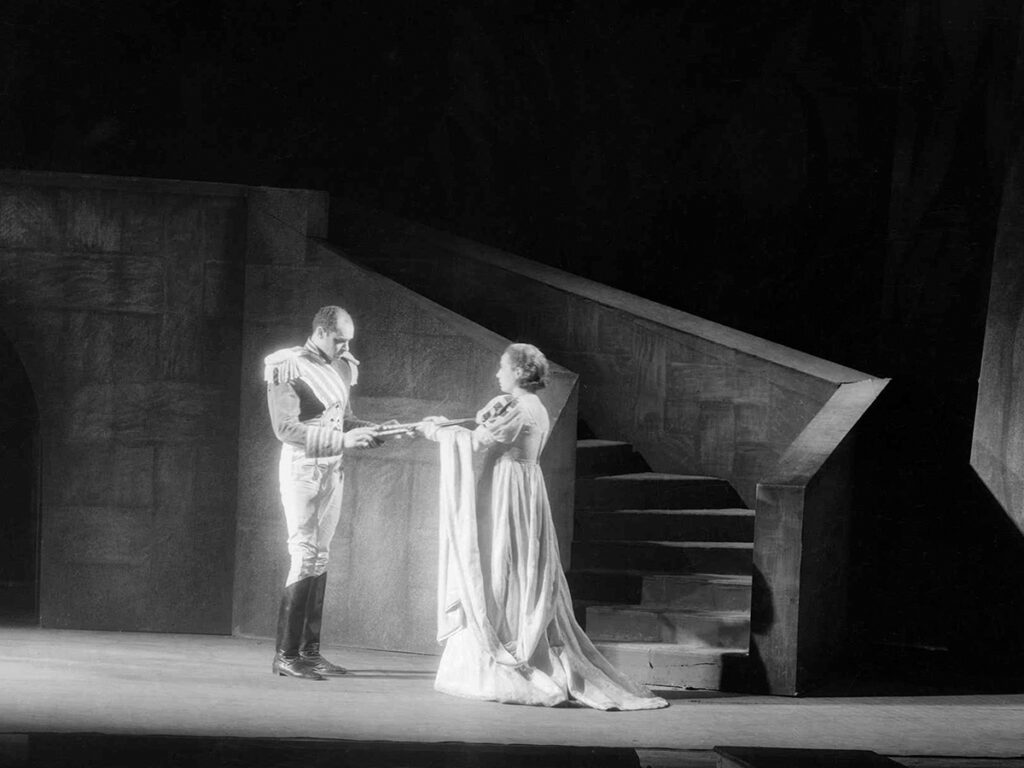
Some will say you’ve also got to curse at the top of your lungs. Some say that you’ve got to ask politely to come back in before you’re able. Some say that you’ve got to quote another Shakespeare play before you can come back in. If it’s all starting to sound a little silly, that’s because yes, it is. Unfortunately, that’s kind of the point. The curse of Macbeth doesn’t come from ancient black magic hidden within the text of a centuries-old theatrical masterwork; it comes from the practicality of theatre and how much of an uncertain industry it is.
The truth is that most productions of Macbeth are thrown together at the last minute by broke companies who want to roll the dice on a famous text they can put on for free. Injuries, disastrous performances and early closures don’t come from an ancient curse, it comes because theatre is an industry on the brink of disaster all the time. Facing the reality of that situation isn’t a whole lot of fun, and part of the day-to-day life of keeping a theatre production alive is keeping morale up within the cast and crew.
So, if you’re a producer with a team of thirty people looking to you for guidance, will you tell them that we’re going to perform a play that we don’t really know because it’s our last shot at working in the medium we love? Or will you tell them to be careful what they say, lest you invoke the curse of Macbeth? Do you want your troupe checked out and planning on what chip shop they’ll take a job in when the whole thing falls apart, and they have to move back to Blackpool? Or invested in the magic and danger of making theatre?
I know what I’d do, what about you?