


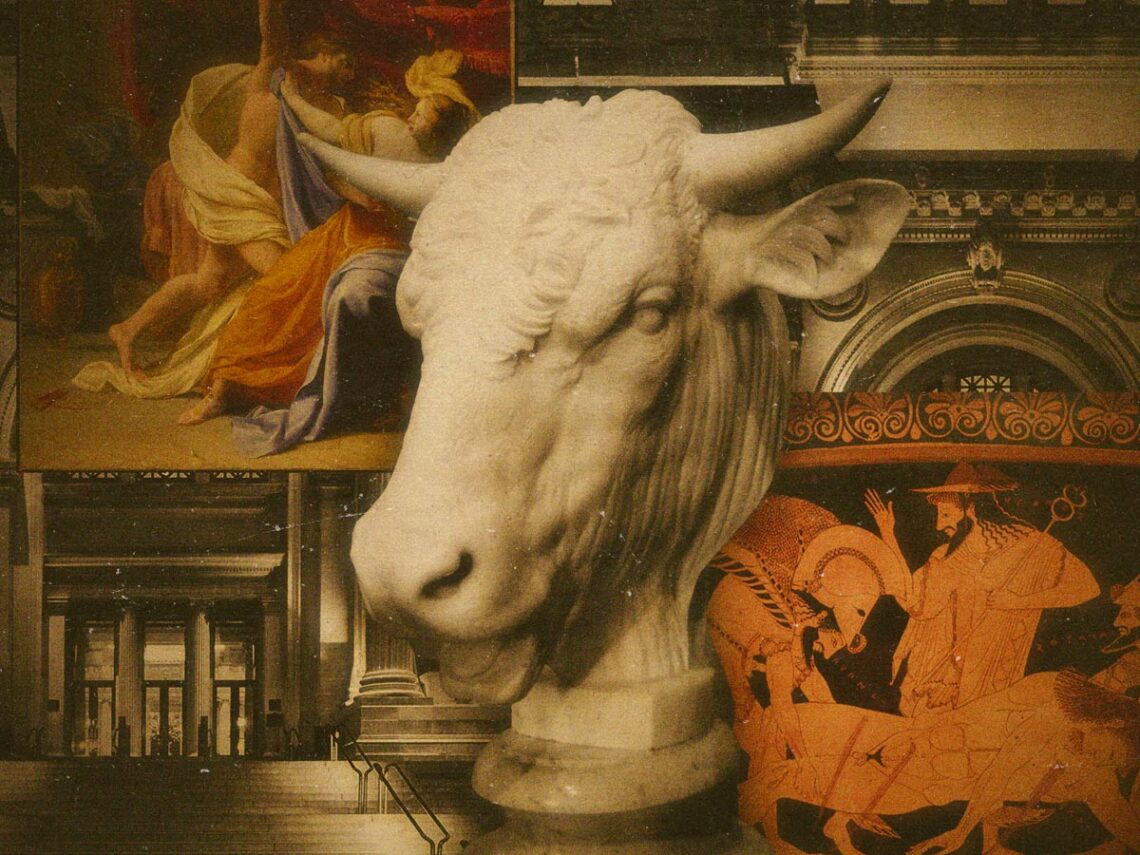
“It (never) belongs in a museum!”: Five times The Met hosted stolen art
The Met is to the world of art what Wembley Stadium is to music venues.
Having your art exhibited there is the peak of your entire career and the kind of thing that the vast, vast majority of artists dream of but never come close to achieving. This is the kind of rarified reputation that the Metropolitan Museum of Art has well and truly earned over its 154-year history. Pretty much every major art movement of the last century and a half has been exhibited, and in some cases, outright germinated, within the walls of 1000 Fifth Avenue.
There is no more prestigious place to exhibit your art, and careers have been made and, indeed, broken due to a single season there. This isn’t to say that the institution has batted a thousand, however. After all, what institution has? When you’re in operation for as long as The Met has been, you’re bound to take a few Ls, especially in a world that can be as murky as the world of art dealing.
Even at the rarified level of the literal Metropolitan Museum of Art, not everyone makes a habit of asking where the works they’re buying have come from. That has bit them on the behind more than a few times, and considering most of their good press comes from hosting The Met Gala these days, it’s about time someone took a critical look at the central hub of art in New York City.
So let’s look through those parts of their history, and take a gander at five times The Met was found to be hosting stolen art.
Five times The Met hosted stolen art:
The Golden Sarcophagus Of Nedjemankh
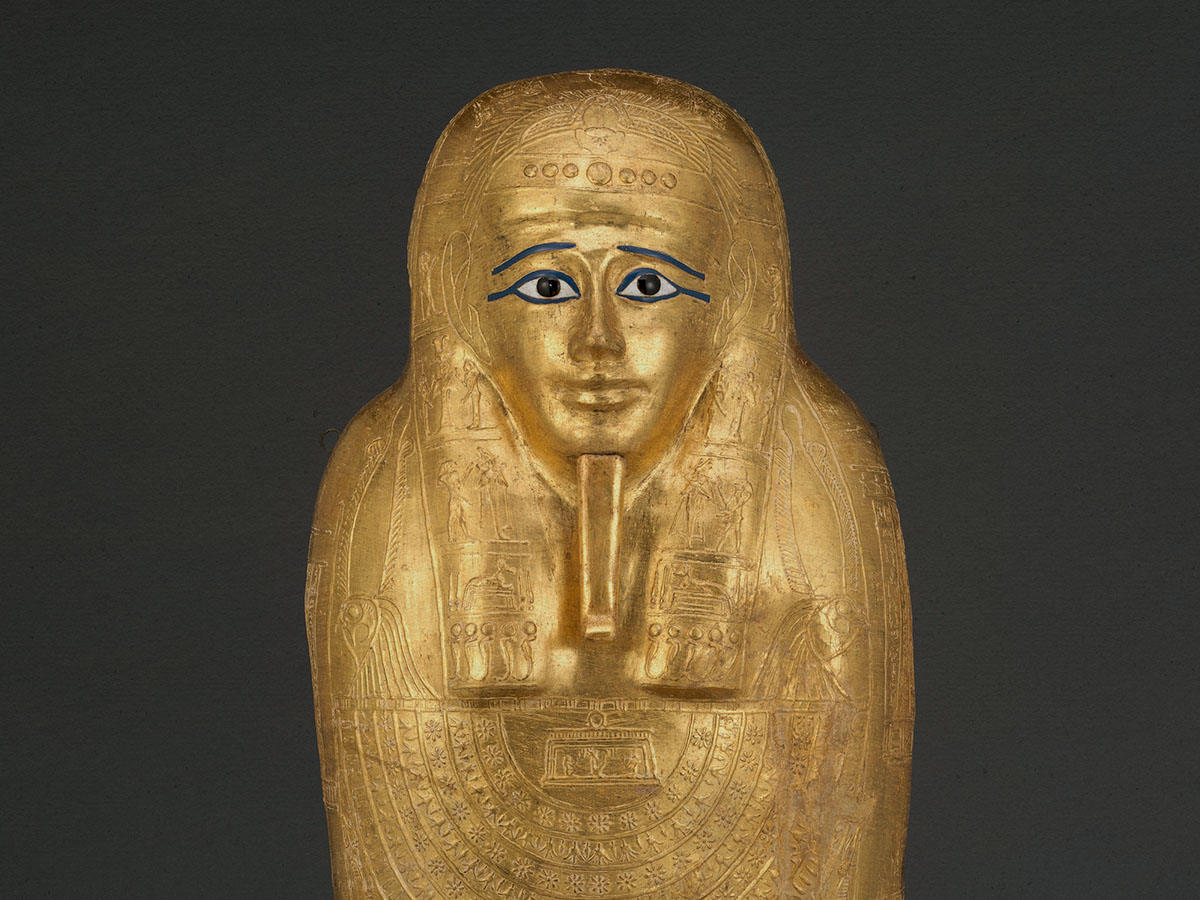
This may sound like an exhibit that you’d find at the British Museum, and not just because it involves priceless artefacts stolen from an African country. No, it turns out The Met doesn’t just do art and the Gala, but it also does a neat line in world history as well. One of the crown jewels in this tradition was meant to be the 2019 exhibition, Nedjemankh and His Gilded Coffin, made up of the artefacts owned by an ancient Egyptian priest of Heryshef from the first century BC.
However, the exhibition made the headlines for all the wrong reasons. The main attraction of the exhibition was meant to be Nedjemankh’s astonishing golden sarcophagus, inscribed with texts to protect him in his journey to the afterlife. The Met paid $3.95million for the coffin, yet the moment it was put on display, officials in Egypt sounded the alarm. It turned out that Nedjemankh’s sarcophagus had been stolen from Egypt in 2011 and put on the black market. The Met returned the coffin shortly after the exhibition’s opening.
Eustache Le Sueur’s <em>The Rape of Tamar</em>
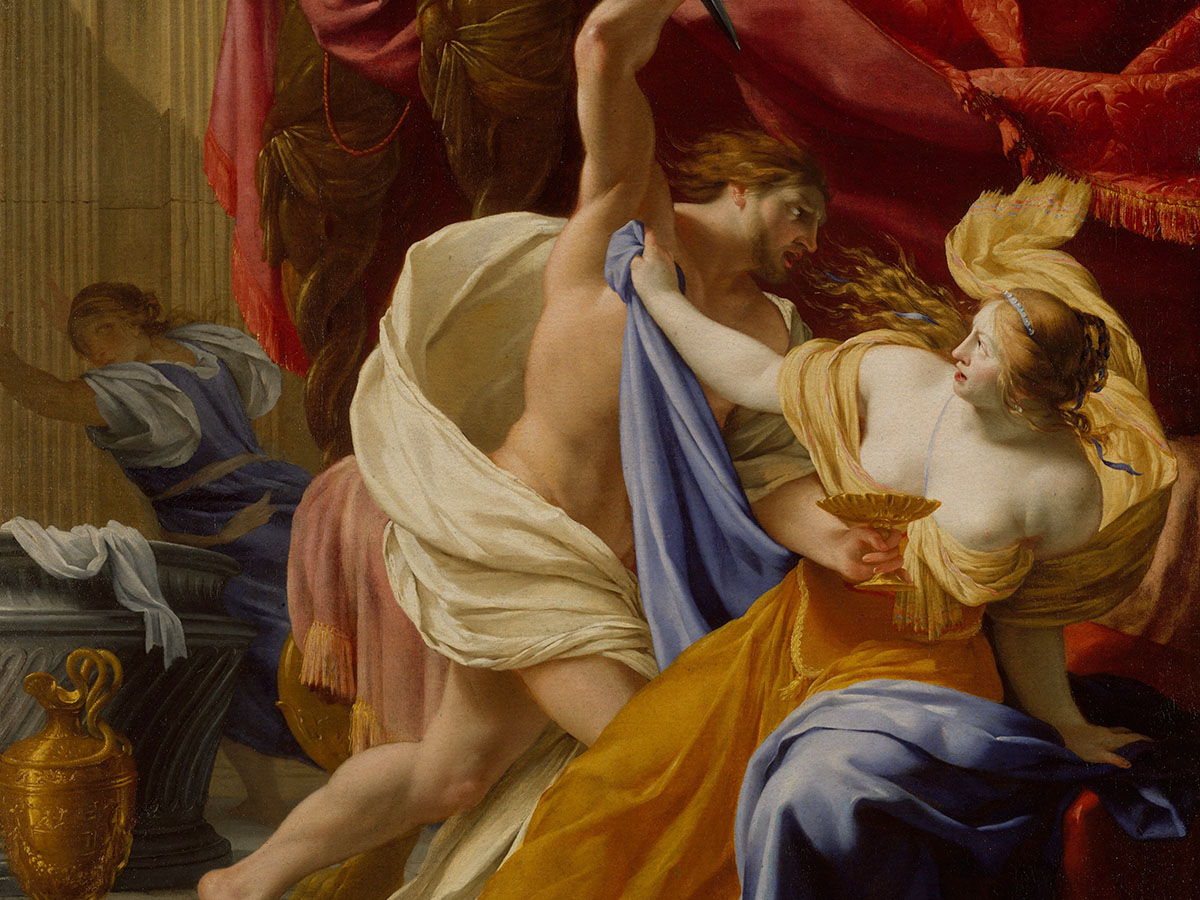
One would assume that the world of art has checks and balances keeping this sort of thing from happening, but the truth is that the art dealership is actually something of a swamp. Someone might bring a painting to you that seemingly has all the right paperwork attached, but is desperately hoping that you don’t look too deep into it. Presumably, this sums up the people who sold Eustache Le Seuer’s masterwork, The Rape of Tamar, to The Met in 1984. Part of the problem is the rate at which these works change hands.
Tamar had been on auction at Christie’s just before it was bought by The Met, and had the museum been a little more thorough with its checks and balances, it would have found that the painting’s previous owner, Oskar Sommer, had stolen it from its actual owner, Siegfried Aram. Sommer was a German business owner who had threatened Aram, a Jewish art dealer, out of his home and then stole Aram’s entire collection when he fled Germany in 1933. No relative of Aram came forth to claim it, so all that The Met could do after this was to credit Aram as the true owner of the piece.
Euphronios Krater
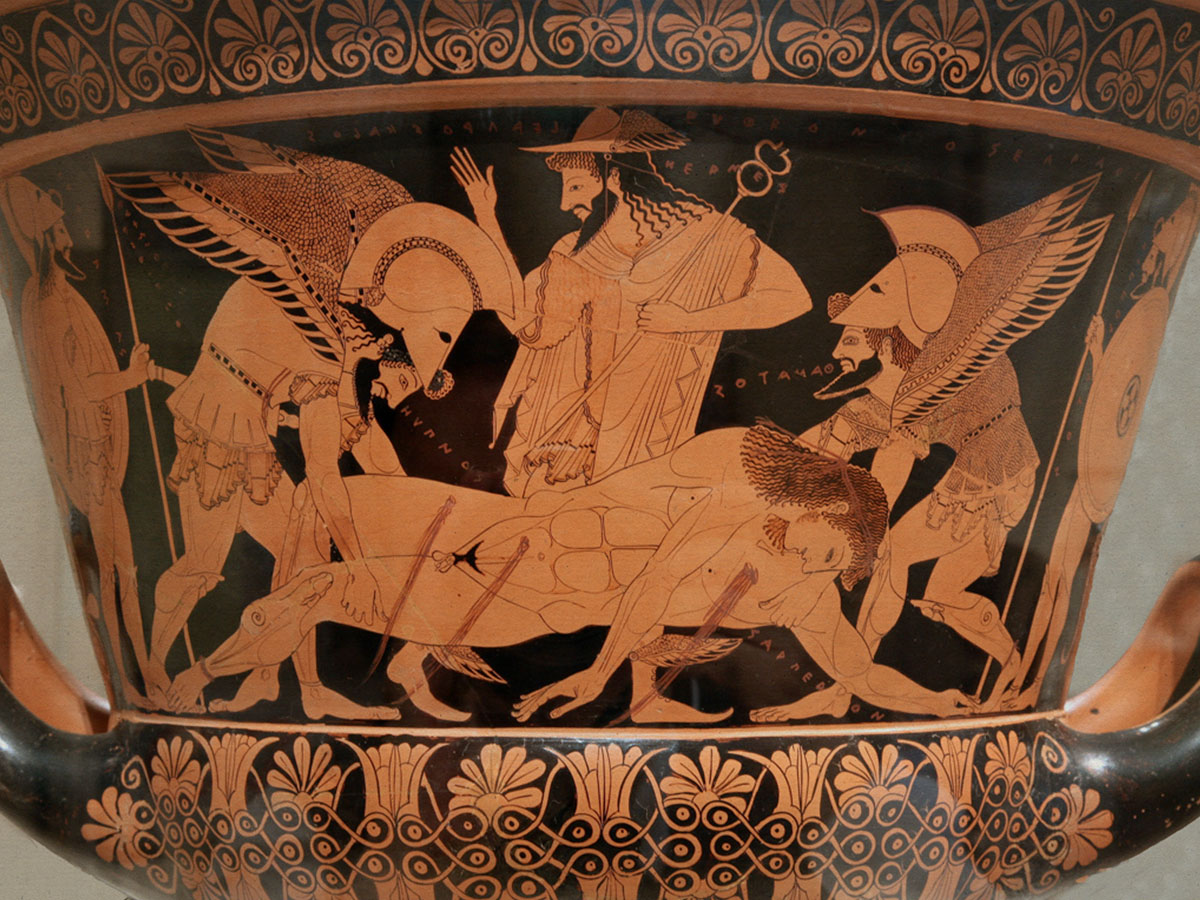
A krater is an ancient Greco-Roman vase that would contain large amounts of water or wine. You’ve heard the legends of Greek and Roman feasts that would necessitate a “vomitorium” where people would go to be sick? These needed to hold enough wine to endure that feeling in a whole bunch of people. Think carafes, but the size of three soup tureens stacked together, and you’re just about there. This was the Ancient Greek and Roman times, and this also presented a canvas for people to decorate as well.
This incredible piece of work was designed two and a half thousand years ago by the Italian artist Euphronios, who depicted warriors preparing for battle on one side and Sarpedon, Hypnos and Thanatos on the other. It’s a masterpiece that took pride of place in The Met’s Greek and Roman wing for 36 years. That is, until 2008, when Italian court officials ruled that the Krater had been sold to The Met after being purloined by a group of tomb robbers in 1971. It was returned to Rome the same year, where it was greeted with rapturous cheers.
The Phoenician ‘Marble Head Of A Bull‘
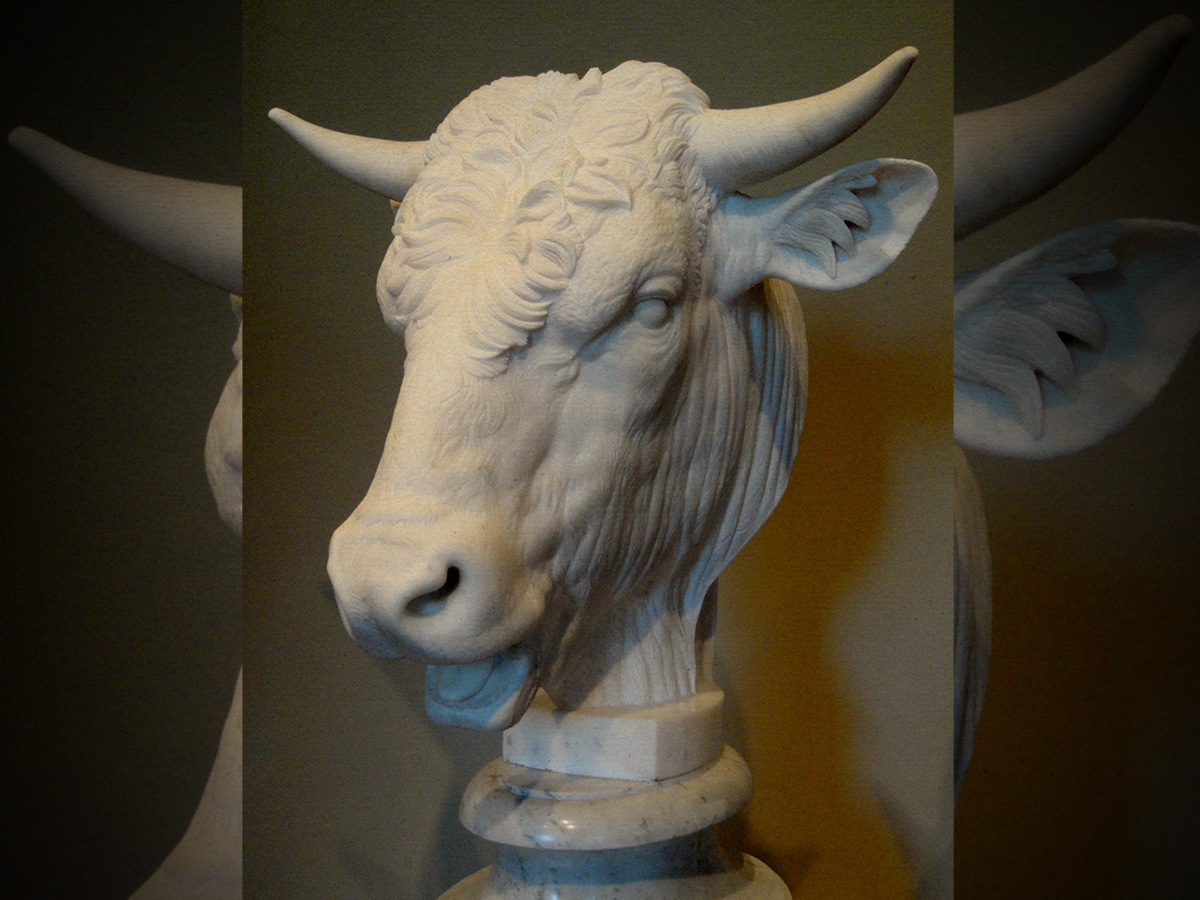
Another reason that the ownership of art can get so murky comes from the fact that just because a museum is exhibiting a piece, it doesn’t mean it actually owns it. Works owned by others are loaned to museums all the time and The Met is no different, such was the case with a 2,300 year old marble bull’s head that dated back to Pheonicia, which we know today as territories in Syria and, most importantly here, Lebanon.
In 2010, its then “owner”, Michael Steinhardt, lent the head to The Met, where it was immediately put on display. However, when one curator did more research on the head, they found compelling evidence to suggest that the head was actually stolen from its native Lebanon during its civil war of the 1980s and illegally taken to America. The Met immediately announced that it would send the head back to its native land, sparking a pitched court battle between the Steinhardt family against The Met and the state of Lebanon. The Steinhardts lost, and the head was rightfully returned home.
Dionysus Krater
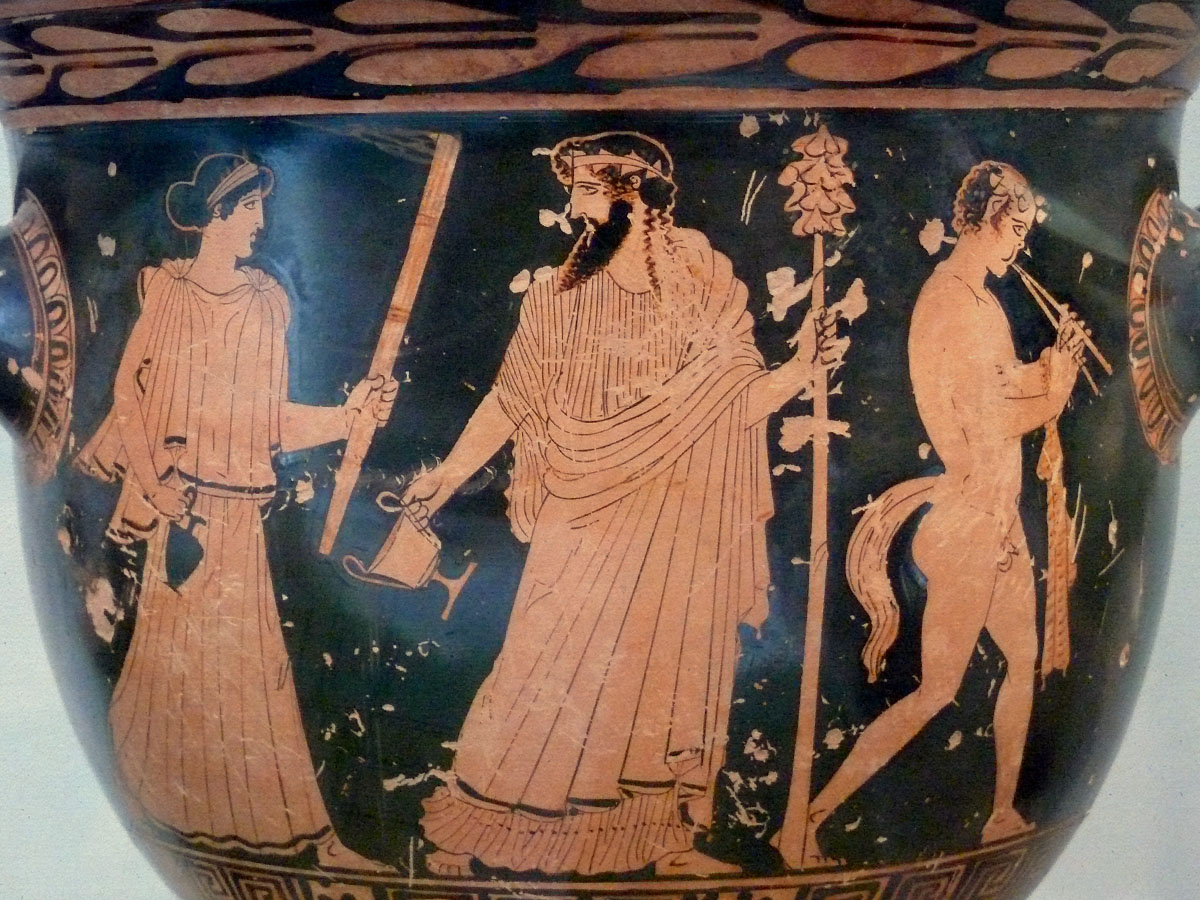
Another Krater on this list, and honestly, if you’ve ever seen one of these in person, you’d understand. They’d be pretty amazing works of art had they been made weeks ago; the fact that they were completed literal centuries ago is mind-boggling. Few of them more so than this, a krater depicting the God that probably found himself on most wine-related items of ancient times, the God of wine and partying, Dionysus.
The Met bought this incredible specimen from Sotheby’s for $90,000 from a known collector, Giacomo Medici. Decades later, in looking into the history of the piece, they found that Medici had acquired it from a group of tomb robbers who had made off with the priceless artefact in the 1970s. This checks out, as Medici himself was arrested and convicted of conspiracy to traffic in antiquities in 2004. A heartening reminder that if an institution like The Met can mess up this many times, so can you!