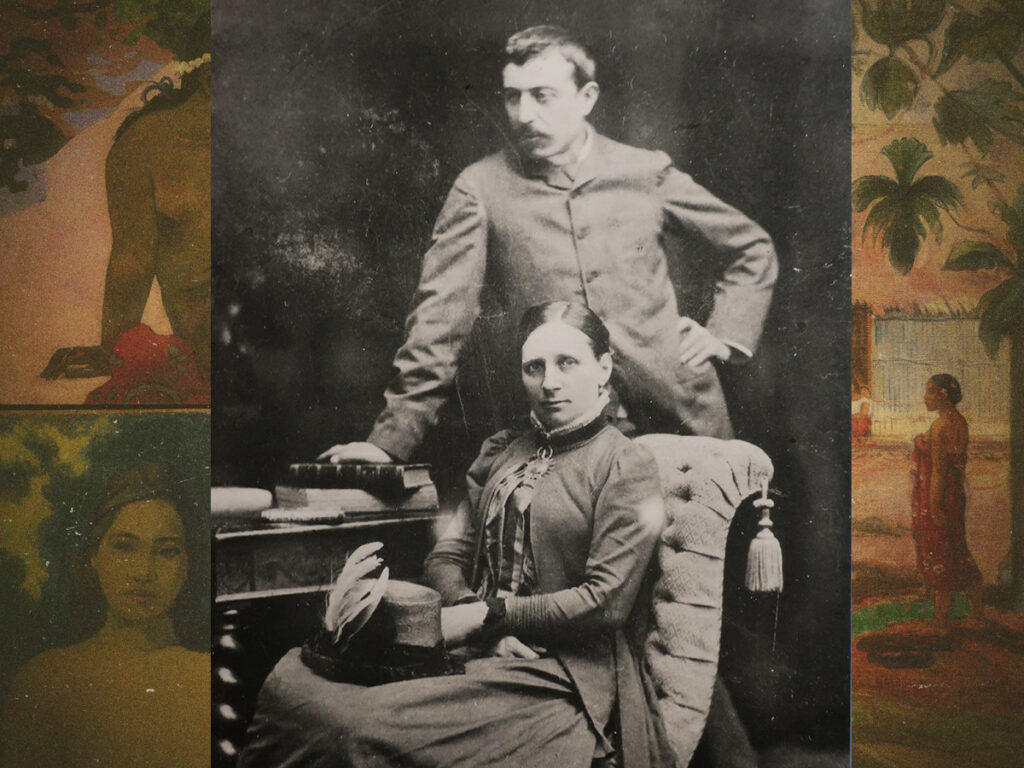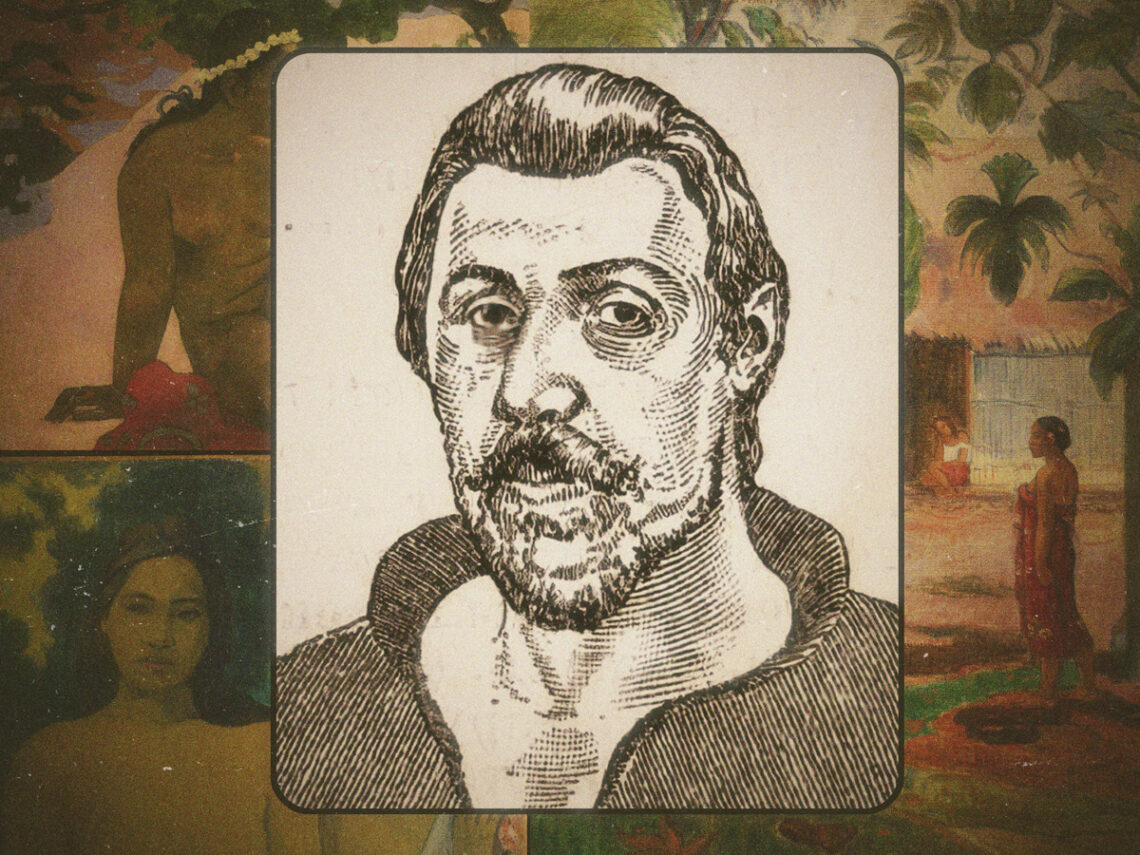
The grim history of Paul Gauguin’s abusive sex tourism: “He died a twisted and bitter man”
The story of Paul Gauguin is a tale as old as time. Never, ever trust a white guy who claims to have “found himself” in a so-called “exotic” country.
Let’s be real here, white folks are dancing a dangerous dance when they claim to be “inspired” by whole cultures as if they can have the first clue about what those cultures really mean. Most of the time, it’s not even a case of being inspired; it’s a case of cultural othering that’s patronising at best and outright degrading at worst. Oh, is that right, Nigel, you spent a week on safari in Kenya and had your life changed by how happy the people there were with so little? Great, now, tell me more about your crypto scheme…
It’s hardly a modern phenomenon either. For as long as there’s been white folks colonising other countries, there’s been people who claim to be “the good guys” who “respect” these cultures, metaphorically inserting themselves where they’re not welcome. Or, in the case of Gauguin, quite literally. Gauguin was an artist born in Paris in the late 1840s, and seriously, there isn’t an aspect of this man’s life that isn’t insufferable.
Born to a rich family in Paris, the rumblings of revolution springing up all over Europe caused his family to leave home due to the scrutiny their socialist leanings put them under. Gauguin and his family settled in Peru, where his family was taken in by his fabulously wealthy grandparents, and he lived there in luxury for his childhood. Upon returning to Paris, he enrolled at the Loriol Institute before a family friend got him a cushy job as a stockbroker upon graduating. Which, obviously, he was incredibly successful at.
He spent the next 11 years as a successful broker before the French stock market collapsed in 1882. Because Gauguin was physically incapable of suffering the consequences of anything, he turned his passion for art into an incredibly successful art career.
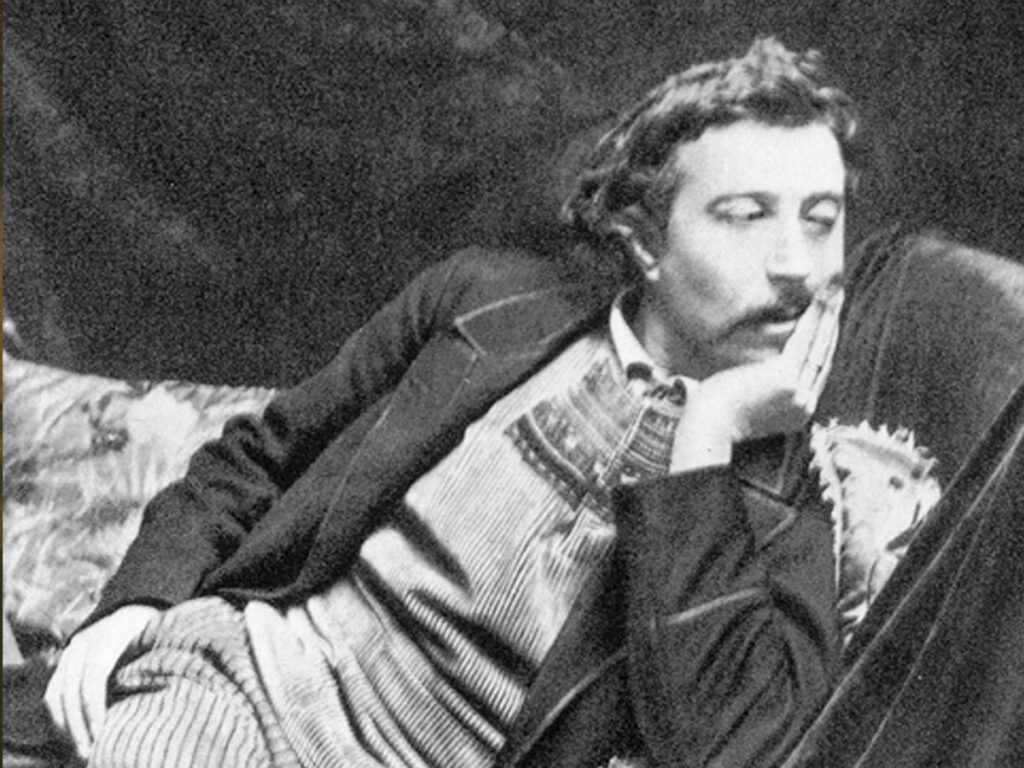
When did Gauguin start getting weird?
Gauguin had always fetishised other countries since his childhood stint in Peru. At first, he’d tried living for extended periods of time in Denmark and Italy, before trying for greener pastures in Panama, which he hated because those pesky natives wouldn’t let him piss where he wanted (not a joke). His work started getting bizarrely fetishistic when he spent five months working in Martinique, but everything changed in 1890 when Gauguin settled in another French colony, Tahiti.
By this time, his home life was a smoking wreck. For decades afterwards, Gauguin would tell people it was due to his wife being a henpecking harridan. Turned out, as is always the case with men like this, Gauguin was the problem. His art was out of favour, he was desperate for cash, and he took his frustrations out on his family, his wife being a frequent victim of his violent bullying. When he wasn’t attacking his wife, he was conning a number of close friends out of the money to stay in Tahiti for a few years.
Again, because Gauguin was allergic to consequences, he raised the money on the strength of painting a bunch of lascivious portraits of women of colour. Then said there’d be more where that came from if he got the money to go back. It was sex tourism that wasn’t only held at the expense of his wife, but the expense of all the Polynesian people (women especially) that he’d exploited in the name of “inspiration”.
If it’s any consolation, Gauguin’s luck finally ran out here. He was despised in Tahiti, and the paintings he made there didn’t sell. I’ll leave the final words to one of his biographers, Nancy Mowl Mathews.
“Gauguin seems to have fallen for the myth of Tahiti he created. He returned expecting the erotic idyll that was only ever a figment of his imagination. Of course, he didn’t find it and the disappointment was profound: he died a twisted and bitter man, having alienated everyone both at home and in Tahiti. It’s a sad story of a man who believed his own fiction.”