


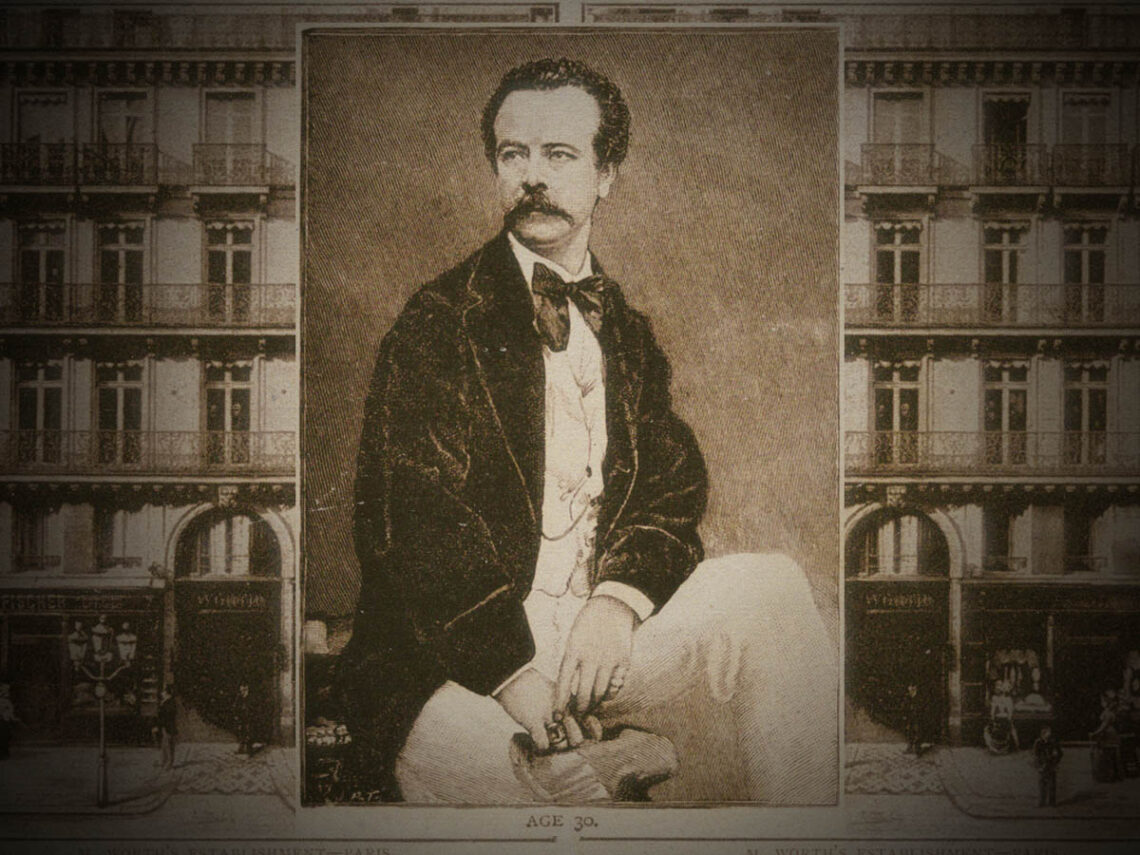
Charles Frederick Worth: the father of the fashion show
It only takes a cursory look at my person to know that I’m not a fashion-minded person, unless muted, shapeless button-down shirts and black jeans are the highest of haute couture these days. Yet despite all that, I actually have a surprising amount of time for the world of fashion shows.
They’re easy targets for anyone not involved in the culture. It’s easy to see one and see a bunch of stoic, rail-thin nobodies strutting down a runway wearing a sex dungeon water cooler surrounded by fawning, pretentious scenesters trying desperately to convince themselves that they’re seeing something important. You can see it every time someone posts a photo of a model wearing a particularly out there outfit to Facebook (and it is always Facebook) with a caption saying something like “you think she goes to Tesco wearing that?!?!” Before drowning in a sea of cry laughing emojis.
No, she probably won’t go to Tesco’s wearing that. This is because that’s not what the outfit is for. Just as a songwriter won’t write a song to do the washing up, or a painter won’t paint to get their five a day. Those eye-catching runway looks have more in common with a song or a painting because they too, are works of art. A top-level fashion designer’s shows haven’t really been about showing off next season’s looks for decades, even though that is technically the reason that they exist.
After all, why would that still be the reason for them? Fashion has been one of the world’s biggest industries for literal centuries, and for about half of it, we’ve had mass media. People can peruse a catalogue at their leisure, making the shows more about the spectacle and art of it all than anything else. In fact, to look back at the last time a fashion show was about actually showing off a label’s wares, you’re looking back a long, long time.
Way back to the very beginning of fashion shows in general, which were the brainchild of one Charles Frederick Worth.
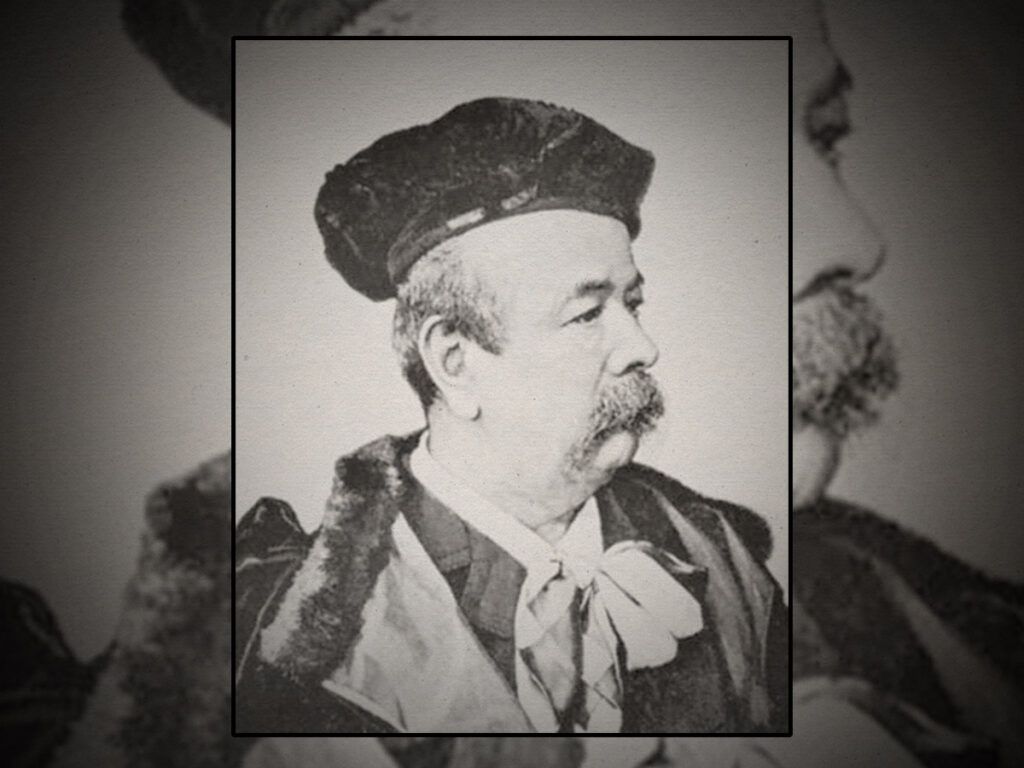
Who was Charles Frederick Worth?
The practise was born, as were most things to do with fashion, in the ballrooms of Paris in the 1800s. While Worth was born in England, he moved to Paris when he was 21 with all of £5 in his pocket without speaking a word of French. Despite that, he parleyed his prodigious sewing ability into a job in the prestigious world of French tailoring. As his reputation as a craftsman grew, so did his desire to evolve the medium, believing that a true craftsperson should not merely create the designs they were asked to make, but market their own designs as well.
For this to work, something else had to change about the industry’s marketing practises. At first, the closest thing to fashion shows that we would recognise were essentially shop fronts. Large gatherings where mannequins would be bought out wearing the created pieces. Worth decided that this shouldn’t be enough for a modern audience, who needed to see the designs worn by real people. If not, how would they see how these works would actually fit in motion?
Thus, he began organising what were known at the time as “fashion parades” at the end of the 1800s. By the early 1900s, his methods had been taken by American fashion houses and duplicated, with the first fashion show on American soil happening in 1903 in New York City. However, much like pop music began as dance music for underground clubs and bars, then became recognised as the art form we know today, the fashion show became something bigger over time.
Something so grand and spectacular that even a luddite like me can see the art in it.