


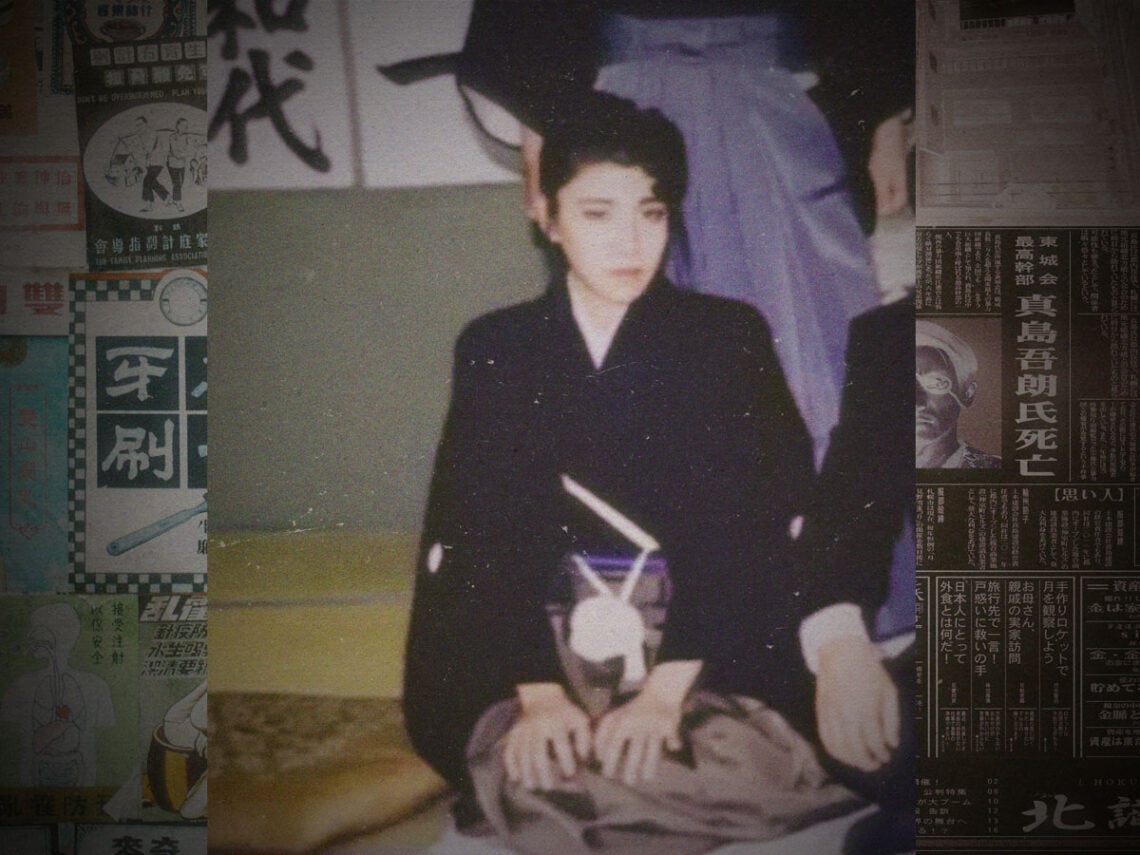
Mako Nishimura: the only female member of Tokyo’s craziest underground crime gang
It sounds like a scene from an action movie, but Mako Nishimura, aged just 19 years old and standing at five feet tall, faced off against five grown men with a baseball bat and had the last laugh.
Earlier that night, a pregnant friend of hers had called her in a panic, fearing for her life at the hands of a man she knew. By the time Nishimura got there, one man had become five, all of which were attacking her friend. When one of them kicked her in the stomach. Nishimura attacked. One girl against five violent men.
Nishimura won.
By the time the cops arrived to find the five men beaten bloody, Nishimura had already fled town. She already didn’t have much love for it, given that she only arrived in Gifu, near Nagoya, to serve time in juvenile prison, so she fled the 170-mile distance to start a new life for herself in Tokyo. A woman as tough as she was fit in within the city’s extensive criminal underworld, and within two weeks, she had been scouted to join the city’s infamous organised crime outfit, the Yakuza.
Nishimura didn’t like the man they sent to recruit her, so she told them to fuck themselves.
However, the idea of the Yakuza life, with all the respect, protection, power and most of all, money that would come with it, was an intoxicating prospect. The second man they sent a few weeks later, Nishimura liked and accepted their offer. Maybe she didn’t know how massive this was, maybe she did, but at 20, she was sworn in as the only female fully fledged member of one of the largest Yakuza gangs in Tokyo, serving one of the outfit’s underbosses directly.
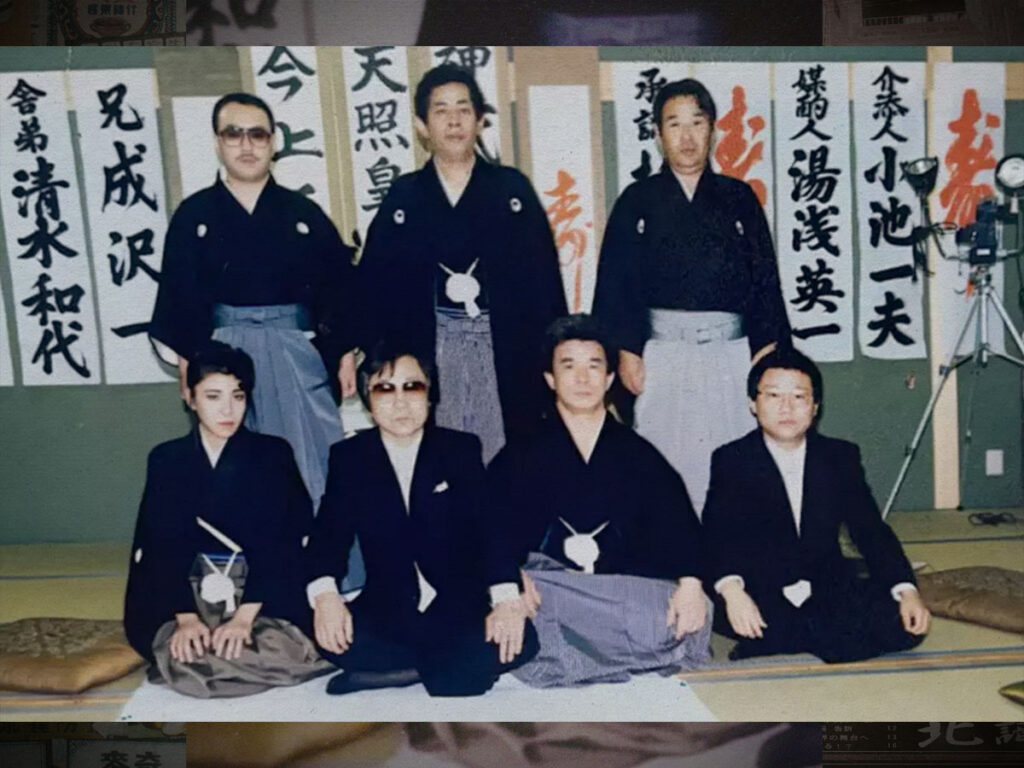
This was in the late 1980s and early ’90s, when the Yakuza was arguably at the peak of its influence. They had influence in far more than typical organized crime stuff, they influenced political leaders, ran high class casinos and golf courses, and were treated more like legitimate businessmen than your average crime boss. However, Nishimura wasn’t part of all that. While she was an effective recruit, she didn’t climb the ranks the way that others did, running several large scale drugs and prostitution rings.
This is where any idea that this could be a glamorous, noble cause goes straight out the window. Today, she freely admits that she was seduced by the stories of noble Yakuza she read about as a child. When she immersed herself in the reality of that life, she found it was nothing like the stories. In an interview with The Guardian, she discouraged anyone from viewing her as a feminist icon on account of the cruelty she made women endure on her account. “I was a man,” she says “I had to behave like a man.”
She wasn’t kidding either. Nishimura’s nickname among her peers was “the little man”, and everything she accomplished, she did to maintain that reputation. Perhaps it was that pressure that steered her towards the one thing she did purely for herself, an intense, all-encompassing addiction to meth. She spent her 20s in a cloud of addiction and criminality, with the occasional stint in prison doing little to dissuade her from the life she’s built for herself.
Eventually, motherhood changed everything and made her reflect on her life. She had a child with a member of a rival clan and, almost overnight, realised she had to get out.
The issue was that by the 1990s, cultural respect for members of the Yakuza had cratered in Japan. Any attempt she made to get a normal job, prospective employers took one look at her sleeves of tattoos, or the missing little finger of her left hand, and would dismiss her without a second thought. Out of desperation to provide for her new family, she turned back to crime, running meth rings and several massage parlours.
This allowed Nishimura to raise her family for a little while, until her addiction problems came back to bite her, which, in turn, revealed her criminal activities to the law. When she and the father of her children split in 2016, he was granted custody due to her criminal history and drug addiction. Today, she is in the process of making amends with her extended family, including her now-adult sons, working for a house demolition company whilst also doing charity work for Gojinkai, a charitable organisation that provides assistance to former criminals, prisoners, drug addicts, and anyone else in need.
After all, that was what the Yakuza used to stand for. They were a Robin Hood-style organisation that stood for normal people against corrupt institutions. That was all Nishimura wanted to do, all the way back to that fateful night when she was 19 years old. While she lost sight of that in adulthood, at least she found a way back to that childhood desire one way or another.