


How the final man to be executed in Glasgow insidiously earned the name ‘The Human Crocodile’ in 1865
Practitioners of murder often receive the strangest of nicknames from the press, and while it sounds silly, it can be their lasting legacy, like with The Human Crocodile.
After all, it’s not just a description of his crimes the way that so many other killers get their names, nor is it so unspecific, like ‘Angel of Death’, which has been given to nine different murderers over the years. Upon hearing the title The Human Crocodile, naturally, your mind wanders to how it was earned. Perhaps he lingered near water, or had long, sharp teeth. Maybe he just had really, really bad skin, so what’s the story?
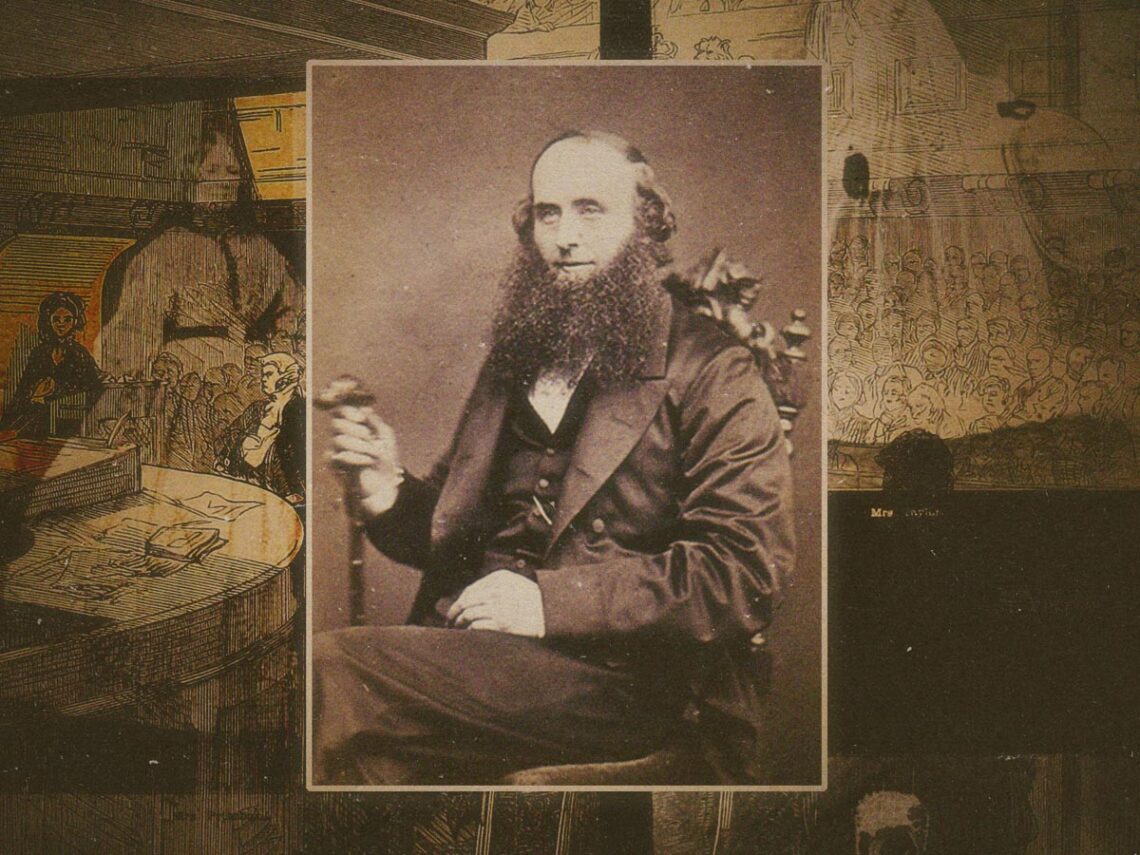
Just one look at a picture of Edward William Pritchard clears up a lot of speculation about the nickname. This man certainly didn’t pick up the nickname The Human Crocodile for his appearance. He looks like an eccentric old gentleman with a large, rectangular beard that goes right down his chest. Pritchard also didn’t earn it for his crimes that, despite the nickname, weren’t gory or particularly violent in the slightest… No, the nickname came from something altogether insidious.
Pritchard was a doctor by trade. A respected man about town who worked in Glasgow, Scotland, in the mid-1800s. As well-liked as he was by the community, Pritchard was by no means rich and lived mainly off the family fortune of his wife, Mary Jane Taylor. In 1865, Taylor suddenly became seriously ill, despite the round-the-clock care of her husband, a literal doctor. Yet the intense stomach cramps and vomiting persisted until finally, Taylor’s mother came to their house on Sauchiehall Street to help take care of her.
Within weeks, Taylor’s mother was dead. Three weeks after that, Taylor herself was dead. This wasn’t the only tragedy to befall Pritchard’s house as well, as two years previously, a 25-year-old servant girl named Elizabeth McGrain had died in a fire there, too. Within two years, the only resident of the place was Pritchard himself, who openly wept at the funeral of his wife and mother-in-law. Even asking for Mary’s coffin to be opened at her funeral so he could kiss her one last time.
However, suspicion soon began to build about how both Taylor and her mother had gotten so devastatingly ill. Both of them were the picture of health mere months, and in her mother’s case, weeks before their passing. Then, an anonymous letter was dropped off at the Procurator Fiscal’s office in Glasgow, detailing all the ways that the deaths of Taylor and her mother were strange.
Subsequently, Pritchard was arrested, and the bodies were given a rigorous post-mortem. Large amounts of poisonous antimony were found in both of them, as were records of Pritchard purchasing large amounts of antimony shortly before his wife became “ill”.
At first, Pritchard fought the accusation, with Taylor’s family standing by a man they thought they’d known for years and treated as one of their own. The evidence piled up until finally, Pritchard confessed to the whole thing in court. It turned out he’d groomed a 15-year-old maid of theirs, and had promised her they would marry in the event of Taylor’s death. This was an affair that had continued throughout the whole case, with Pritchard buying said maid a brooch mere weeks before Taylor died.
Pritchard became the last man executed in Glasgow in July 1865. His skill with poisons, not to mention his behaviour around his employees, also made people look into the Elizabeth McGrain case as well. The fire had started in her room, yet she’d made no attempt to move before being consumed by the fire, almost like she was drugged before the blaze even started… So, after all that, how did he gain the nickname ‘The Human Crocodile’?
Well, it’s perfectly simple. He’d spent so long showing off his grief at his wife’s illness that he’d fooled the entire city into thinking he was a loving husband.
When all along they’d been nothing more than crocodile tears.