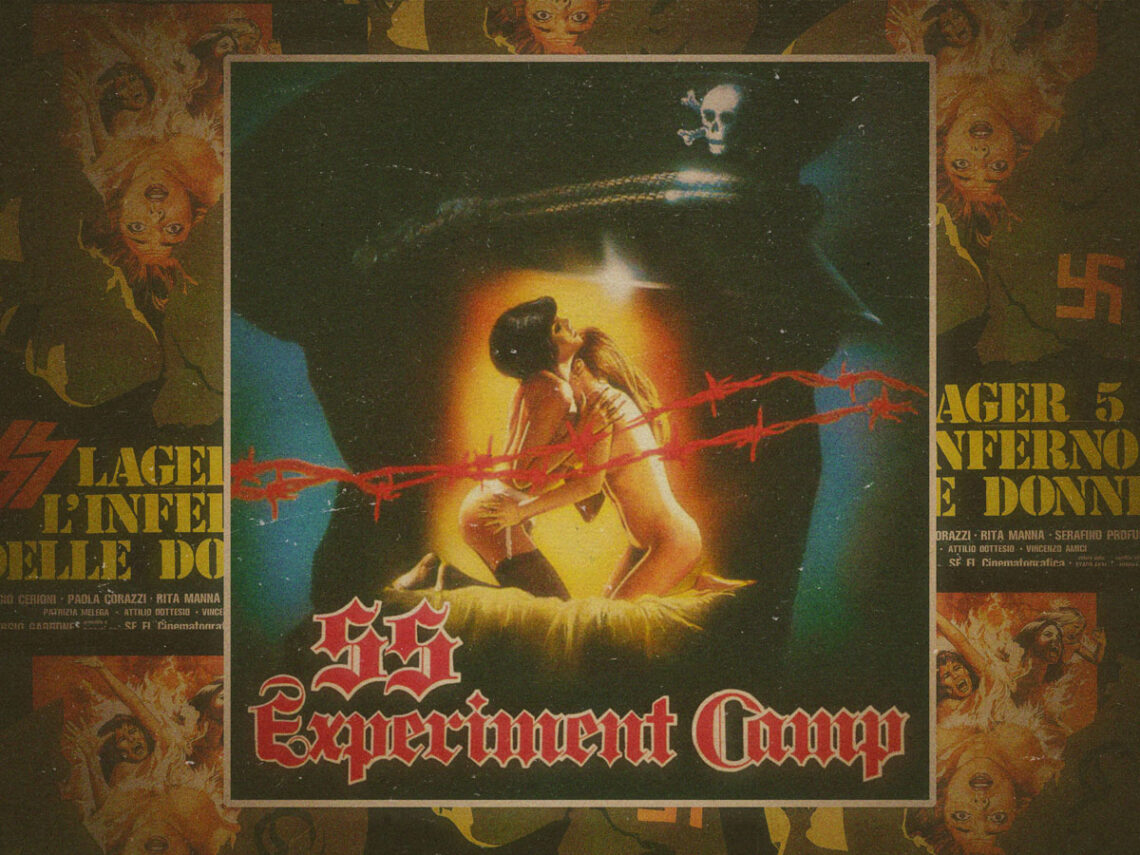
SS Experiment Camp: The movie that invented the video nasty
Have you ever noticed how you don’t actually discuss film or TV with anyone anymore?
It’s vanishingly rare that you actually talk with someone about a piece of art that you both saw or read, or listened to. Instead, you’re essentially pitching what you’ve taken in to someone else, then hearing someone else’s pitches and adding them to the dreaded “list” of “things you’ll get around to”. Yeah, it wasn’t always like that, and that’s essentially, to quote Donald Glover, Because The Internet.
The internet gives us the ability to curate what we take in that we never had before. Up until pretty recently, we really just had to settle for everything that was in record shops, the cinema, and our local bookshops. While that was fine for record companies, publishers and the like, for advertising agencies, it was an absolute bloodbath, especially if you were marketing media that was in any way alternative. Unlike today, there were vanishingly few ways of marketing things directly to their target audience; you just had to market to the world and hope for the best.
For most pieces of art, that’s a good thing. It means that you don’t have to just focus on the target audience, and you might actually bring in a few punters who wouldn’t normally seek out your work. Then you get to the people put in charge of marketing the exploitation films of the late 1970s and early 1980s. With these pictures, the whole point of them was that they were lurid, violent and pretty much pornographic. There was an audience for them, but as we said before, you couldn’t market directly to them.
No, everyone had to see that you were hawking a film called SS Experiment Camp.
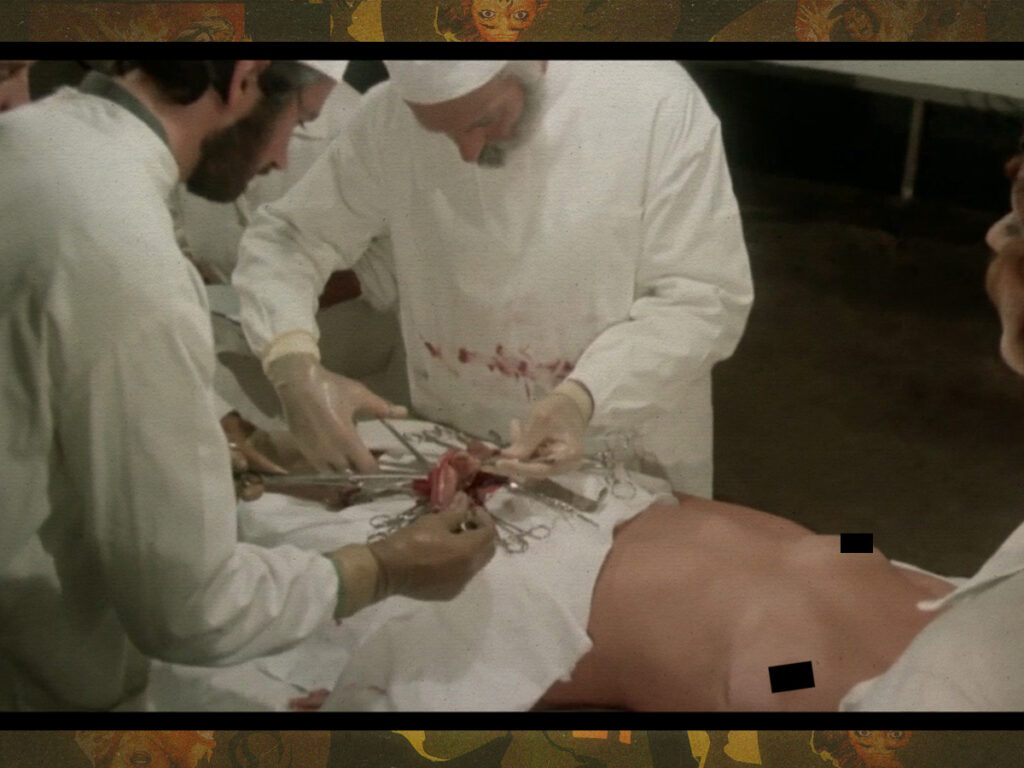
How was this shocking film marketed?
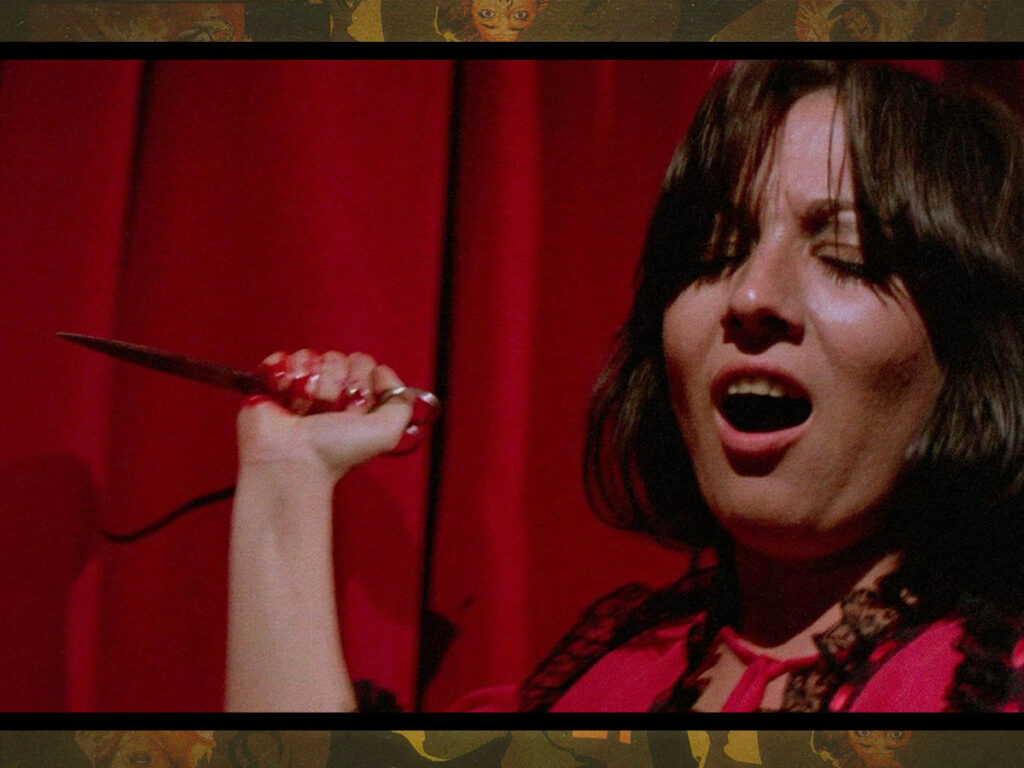
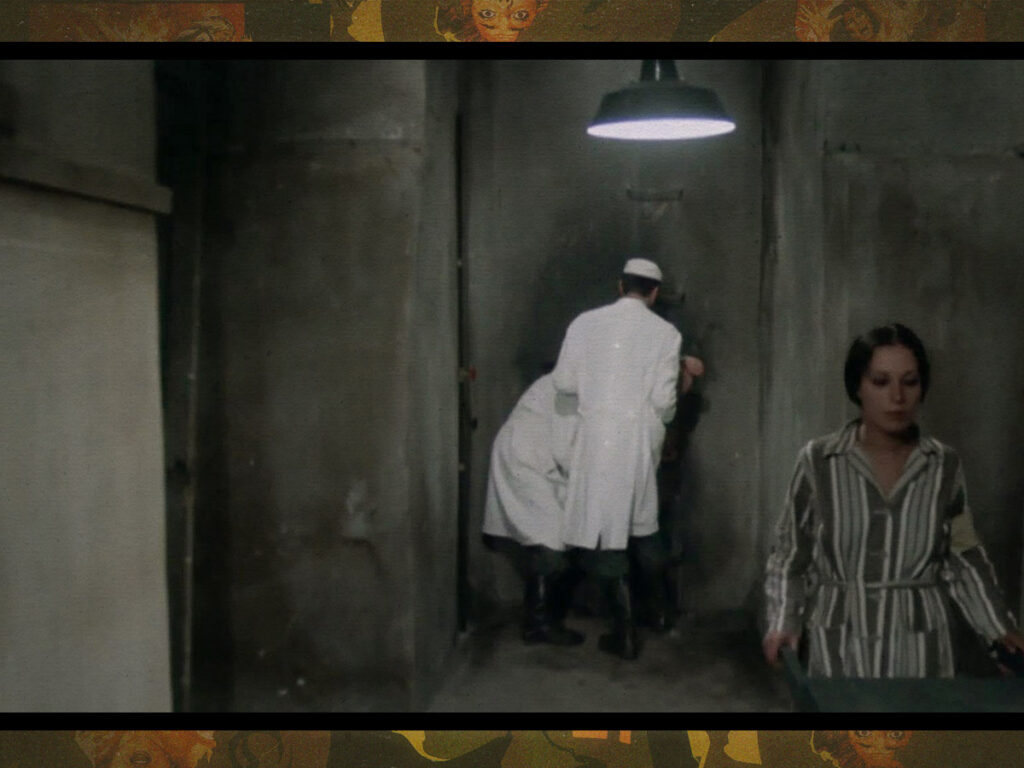
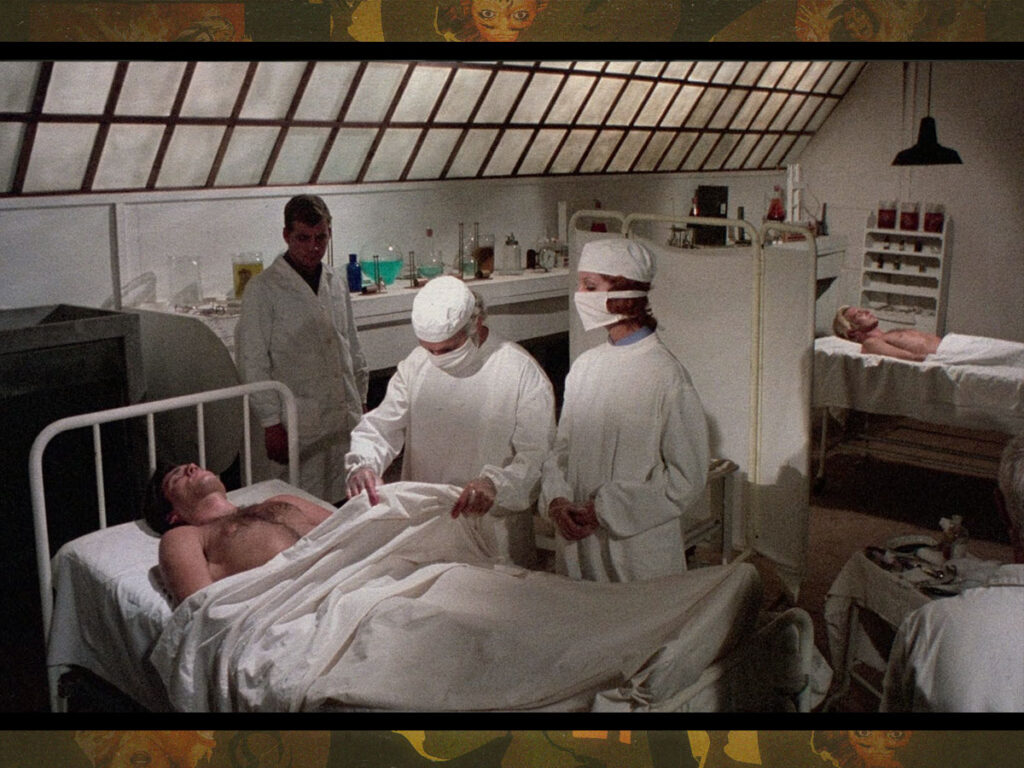
SS Experiment Camp is a charming little romp released in 1976 and directed by Sergio Garrone. The title really does express everything going on here; it’s about a concentration camp during the Second World War. One was run by a Nazi officer who needed a testicle transplant after being castrated by a Russian girl. For some reason, this leads to him ordering sexually explicit experiments on the beautiful young women interned at his camp. Wackiness ensues.
Now, watching the film in the year of our Lord 2025, there’s probably nothing much to worry about. People my age were watching 2 Girls 1 Cup before we were 16, and comparatively, SS Experiment Camp is a Pixar movie. No, the real issue was the fact that SS Experiment Camp had to market itself to the general public, and the image they chose to do that with? Well, I guess it is a memorable one. You tend to remember being stopped in the street by a poster of a young woman wearing nothing but a G-string strung up on an upside-down crucifix.
Yeah, no, the general public of *checks notes* 1976 weren’t too thrilled by seeing that on posters and in magazines read by the masses. This marketing campaign did more to torpedo the independent film market than actually promote the film, with several tabloid newspapers and several MPs using it as a rallying cry to target the unregulated film market. It didn’t matter that the sex and violence in the film itself was actually surprisingly tame, not to mention, y’know, fake; what matter was the tastes of people who might stumble upon its promotional material.
Thus, the film was banned in the UK, along with many other European countries, and it became the inspiration for the term “video nasties“. A concept that would change the British film industry forever.