


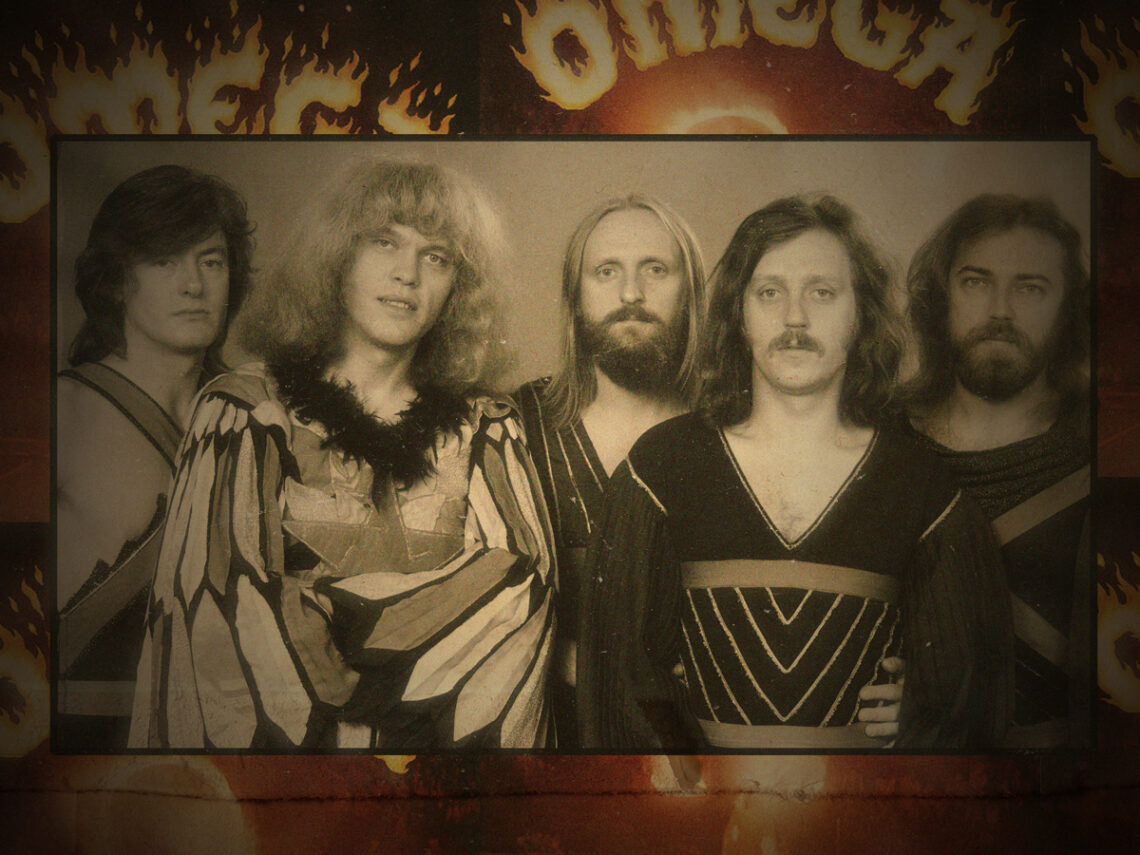
Omega: the Cold War-era prog band that blew minds behind the Iron Curtain
There was a time – not that long ago – when Omega were everywhere in Hungary.
Albums in living rooms, posters on bedroom walls, their songs blasting from dodgy transistor radios and taped over state-approved records. And yet, somehow, they remained largely invisible in the West. Which is strange, because Omega weren’t some minor local rock band trying to play catch-up with the Beatles…they were Hungary’s Beatles. Or Pink Floyd. Or Hawkwind. Depends on which album you pick.
They had their own thing – otherworldly, theatrical, sometimes ridiculous, often brilliant – and they pulled it off for the better part of 60 years. Not bad for a band that had to learn rock ’n’ roll behind the Iron Curtain.
One of the most influential bands ever to come out of the Eastern Bloc, Omega were at it since 1962. To give you some context, that’s the same year that The Rolling Stones first got together. Give or take a couple of early members departing and a period of inactivity from 1987 to 1994, they remained one of the longest-running acts in rock history and with one of the most stable line-ups before they eventually called it a day in 2021.
Omega’s sound obviously changed over their five decades, travelling light years from their early Beatles-influenced pop songs towards something kinda like early Status Quo fuzz box guitar meets the Moody Blues classical rock (or sometimes like a Slavic version of schlager), then a prog rock sound in the 1970s that gave way to harder rocking wail (and even disco) by later in that decade. The 1980s saw them develop a spacerock thing that continues to be their signature sound.
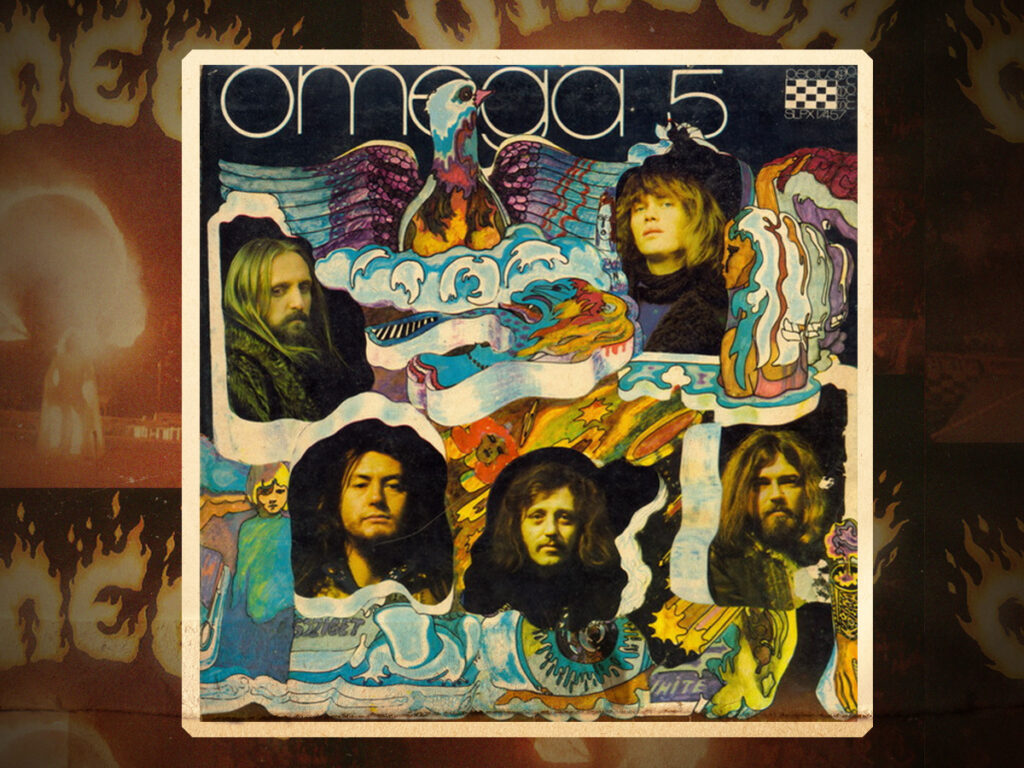
Omega’s sound is a shapeshifter’s dream. In the early days, they were all tight suits, mop-top harmonies, and sunny Euro-pop singles, which is exactly what you’d expect from a band catching Beatles fever via contraband vinyl and scratchy shortwave radio. But by the ’70s, they’d flipped the switch: lush Mellotron sweeps, warbly synths, heavy riffs, and a space-age grandeur that wouldn’t have been out of place on a Yes or ELP record.
Then came the late ’70s curveball as funky disco beats, laser-zap effects, and shoulder pads entered the fold. And somehow, it all still worked. Even at their most bombastic, they stayed grounded in something unmistakably Hungarian – melancholy, theatrical, deeply wired into the culture that birthed them.
Since Omega recorded songs in both magyar and in English, and regularly toured in England and Germany (The Scorpions were known to be big fans) they are one of the most popular groups to originate from the Communist bloc.
Music in the Eastern Bloc wasn’t just entertainment at the time, though; it was contraband, code, communion. Every Western record was a precious artefact. Every show was a minor rebellion. The state had its own sanitised version of “approved” music, but underground kids in Budapest, Prague, and Warsaw knew better. Rock music meant more behind the curtain. It was dangerous in the way that only truth can be. So when a band like Omega got through on state-run TV, no less, it was a miracle. It was proof that something wild could survive the machine and even sneak inside it.
Omega weren’t trying to imitate anybody, despite their clear influences. They weren’t Western rock filtered through a Soviet lens. You’d hear bits of Deep Purple, maybe some Floyd or Uriah Heep, but then suddenly there’s a church organ, or a melody that sounds like it came from a folk funeral march, and you’re like, “Wait, what the fuck is this?” They didn’t follow trends because they didn’t have to. They had their own world going, and it didn’t matter what was happening in London or LA. Omega made music like they were broadcasting from another planet, and the people back home understood every word.
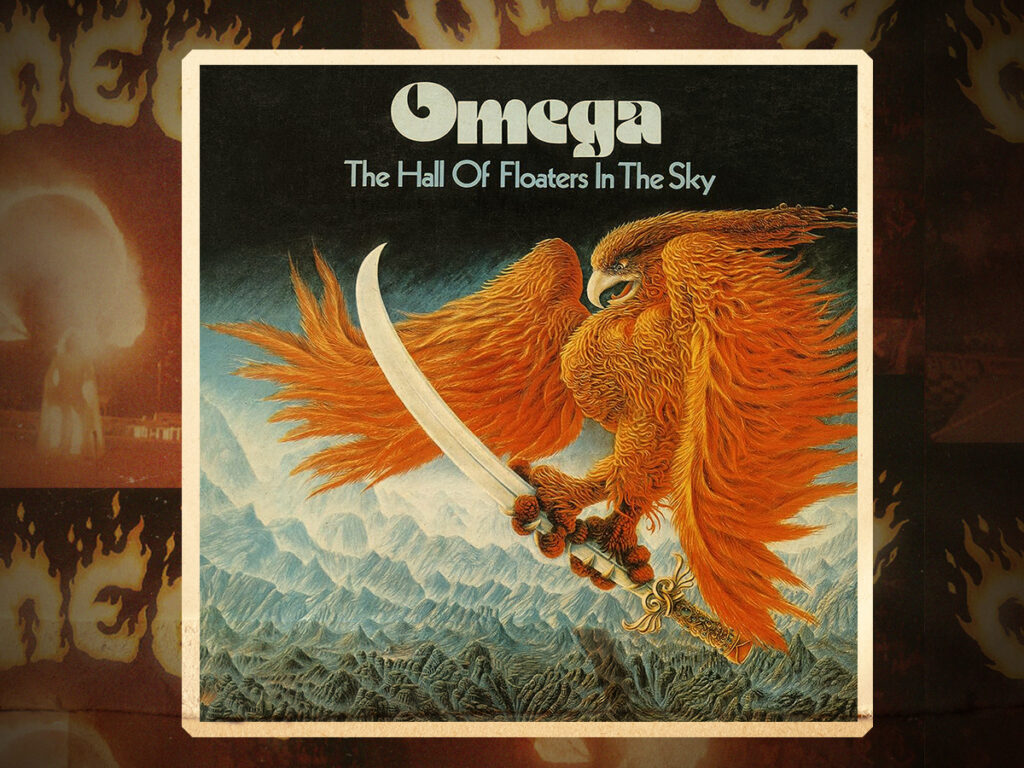
In the end, Omega’s influence spread like bootlegs. It was quiet, slow, but very fucking persistent. They inspired bands across Eastern Europe, showing it was possible to create ambitious, international-sounding rock behind the wall.
The Scorpions called them an inspiration. So did Locomotiv GT, and half the krautrock scene if we’re being honest. They had that perfect storm: theatricality, melody, a sense of scale. Omega made albums that sounded like escape. And for kids trapped in grey concrete blocks under grey skies, that was everything. Even now, their fingerprints are all over European psych, metal, and prog.
Omega never really got their flowers outside of Eastern Europe. But maybe that’s the point. They didn’t need Western approval to matter. To generations of fans growing up in concrete flats under grey skies, Omega were something to believe in. They gave people scale, drama, escape – something bigger than the system surrounding them.
And when the system fell, Omega just kept going. They didn’t reinvent themselves for MTV or chase trends, and they stuck with what worked. Long songs, big feelings, weird gear. They never stopped being Omega. And that’s the legacy.
In any case, it’s more of Omega’s early material that I like the best, so that’s what I’m going to share here. I hadn’t thought about this band in years until one of our readers, Kjirsten Winters, reminded me of them. I was shocked by how many amazing vintage clips of this band exist. Feast your eyes and ears on Omega…