


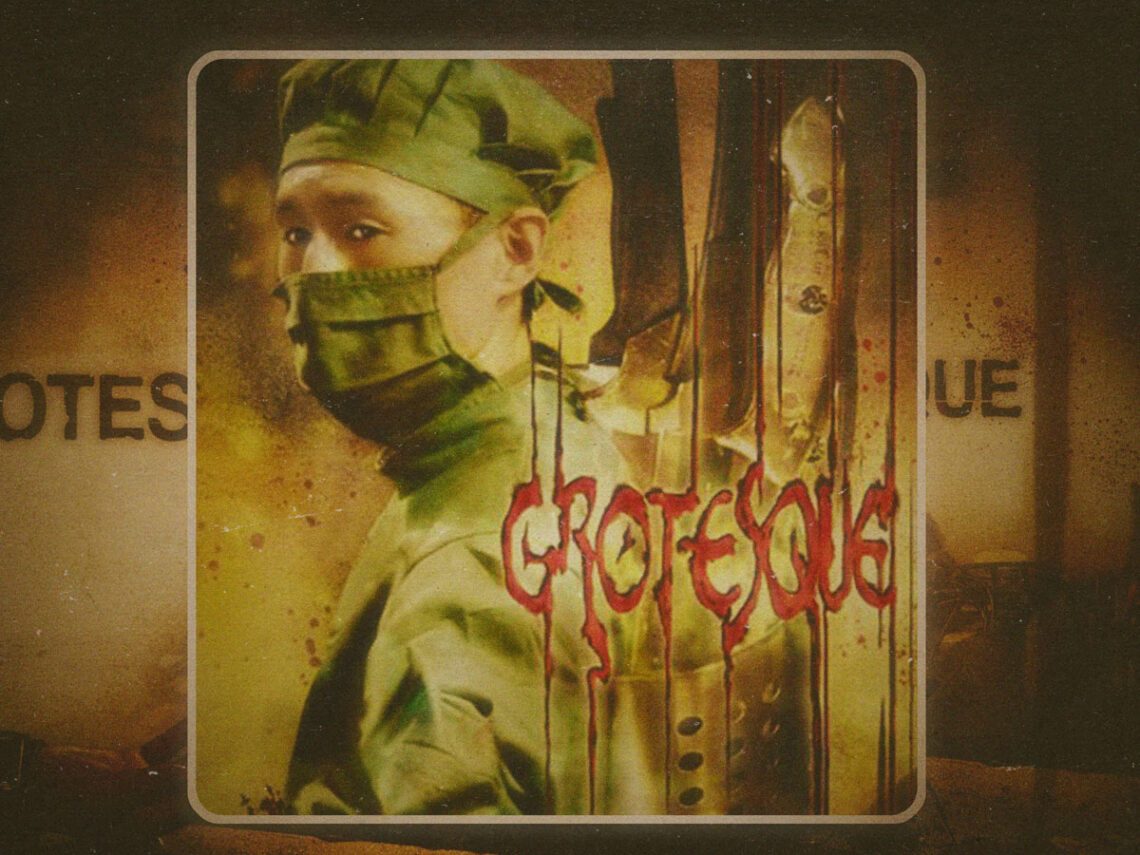
‘Grotesque’: Japan’s most shocking torture movie
More movies should follow Koji Shiraishi’s lead and do what they say on the tin, like his 2009 picture Grotesque. Airplane! could just be called Funny!, Hamnet could just be called Sad, and Once Upon a Time in Hollywood could just be called Boring.
Yet, despite all my snark, there is a genuine power to Shiraishi titling his most horrifying work with such a simple, yet evocative phrase. The film is somewhat of a response to the popularity of the so-called “torture porn” movement of horror films in the mid-2000s, and acts as Japan’s answer to the new wave of French extremity. It essentially made movies such as Saw and Hostel look like watered-down shit for teenagers on dates.
Grotesque is a picture that really does boil the whole genre down to its barest essentials, to the extent that there are all of three major characters in it. A couple, and a doctor who kidnaps them and tortures them. Every horrific thing one can do to a human being, this unnamed doctor does. He mutilates them, humiliates them, castrates them, sexually assaults them, and, just when it looks like they’re about to succumb to their wounds, he does the worst thing possible.
He goes into doctor mode. Treating their wounds and bringing them back from the edge of death so that their suffering can be prolonged. For the first half of the film, the couple (who were on their first date when the doctor kidnaps them) beg to know why he’s doing this to them, something he withholds until later in the film. He reveals to both of them that he’s doing this because quite literally nothing else gets him off anymore.
At the very moment he reveals this, he also shows a different side to himself. Saying that the moment they heal, they’re free to go.

What happens next in Grotesque?
For a moment, it seems that viewers are about to see a wrinkle in this doctor’s character.
He apologises for his actions and says that he will release them, turn himself in and give the couple his entire fortune as a recompense for his actions. He understands that he did something unconscionable to them, out of his own free will, in order to feel something for the first time in years. The medical professional also understands that he’s caused harm and should face the consequences of his actions. At least, that’s how it seems.
Whether the protagonist goes through with that or not is up for viewers to see if this little summation of the film has whet your appetite for it. It may seem like a one-note picture, but there are hidden depths to it. This makes sense, considering Shiraishi is much more than your average splatterfest director. In fact, he has pictures like Noroi: The Curse to his name, one of the best J horror ghost stories ever. While this is a film that sounds like anyone with a camera and three willing participants could make, there is something deeper at play here.
It succeeds in getting under the skin and makes any jaded horror fan ask themselves exactly why they’re so desensitised to violence against their fellow man. It’s a film that draws a line in the sand and asks why some extreme violence is crowd-pleasing fun and why some is deemed completely unacceptable. An interesting question to ponder, especially when the UK banned this film from distribution but not other torture porn flicks like the aforementioned Saw and Hostel.
It’s all just violence in the end, so what really makes Grotesque so different?