


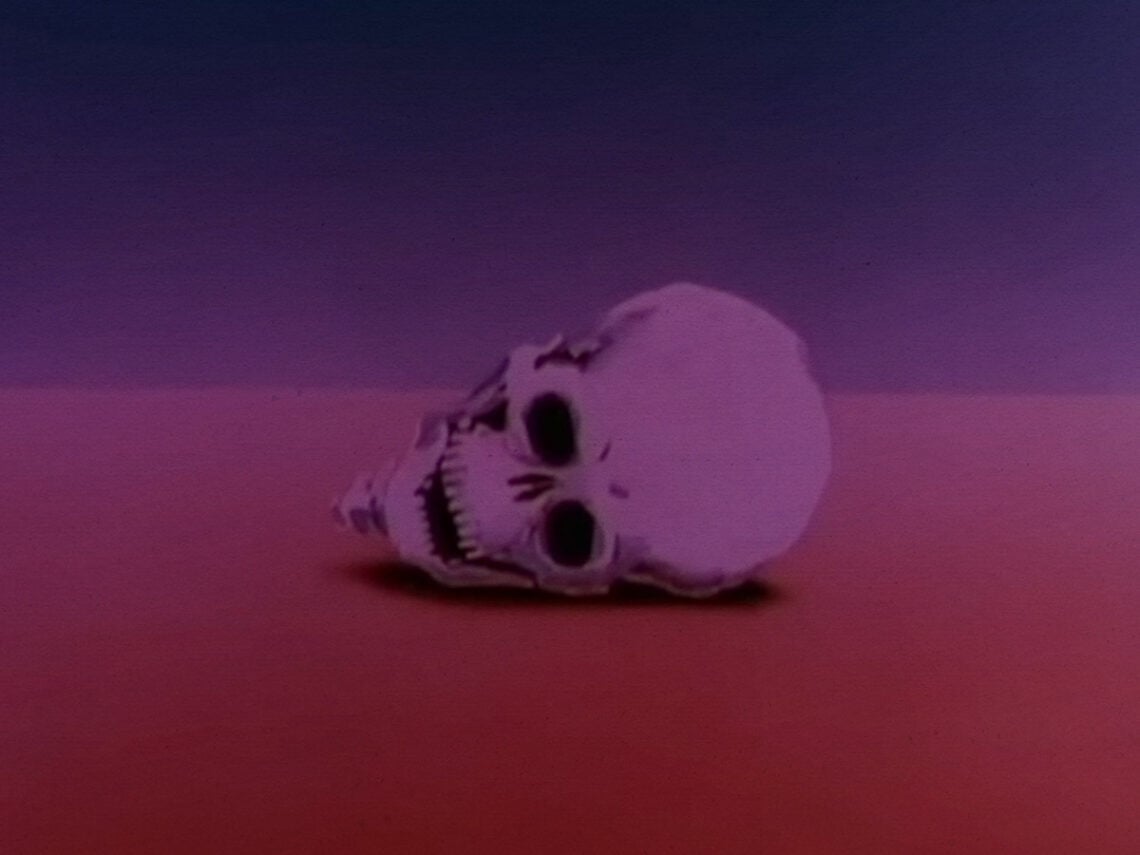
Welcome to the Machine: The incredible Pink Floyd animation that blew minds in 1977
This astonishing animation was originally projected behind Pink Floyd during their In the Flesh tour of 1977, which was mounted in support of the band’s Animals album.
It was directed by Gerald Scarfe, whose nightmarish visual imagination would later become inseparable from the world of Pink Floyd thanks to his work on The Wall, including the album artwork, stage production, film and theatrical adaptation.
Scarfe was a perfect fit for Pink Floyd’s increasingly dark and cynical worldview. His illustrations were populated by grotesque, stretched-out figures that seemed perpetually on the verge of mutation. Long before he found mainstream success through Disney’s Hercules, Scarfe had earned a reputation as one of Britain’s most ferocious political cartoonists. His work was filled with monsters, tyrants and victims of sprawling bureaucratic systems. Looking back, it’s easy to see why Roger Waters was attracted to him. Both men seemed fascinated by the same themes: power, conformity and the machinery that turns human beings into products.
What’s remarkable is that this wasn’t originally intended to be a music video in the way we’d understand the term today. MTV wouldn’t arrive until 1981, and most promotional clips in the 1970s consisted of musicians miming in television studios or wandering around fields pretending to look profound…but Pink Floyd were operating on an entirely different level. By 1977, their concerts had become enormous multimedia spectacles, complete with gigantic inflatables, ambitious lighting rigs and elaborate visual projections.
Imagine seeing this thing for the first time in a packed arena in 1977.
No home video.
No internet.
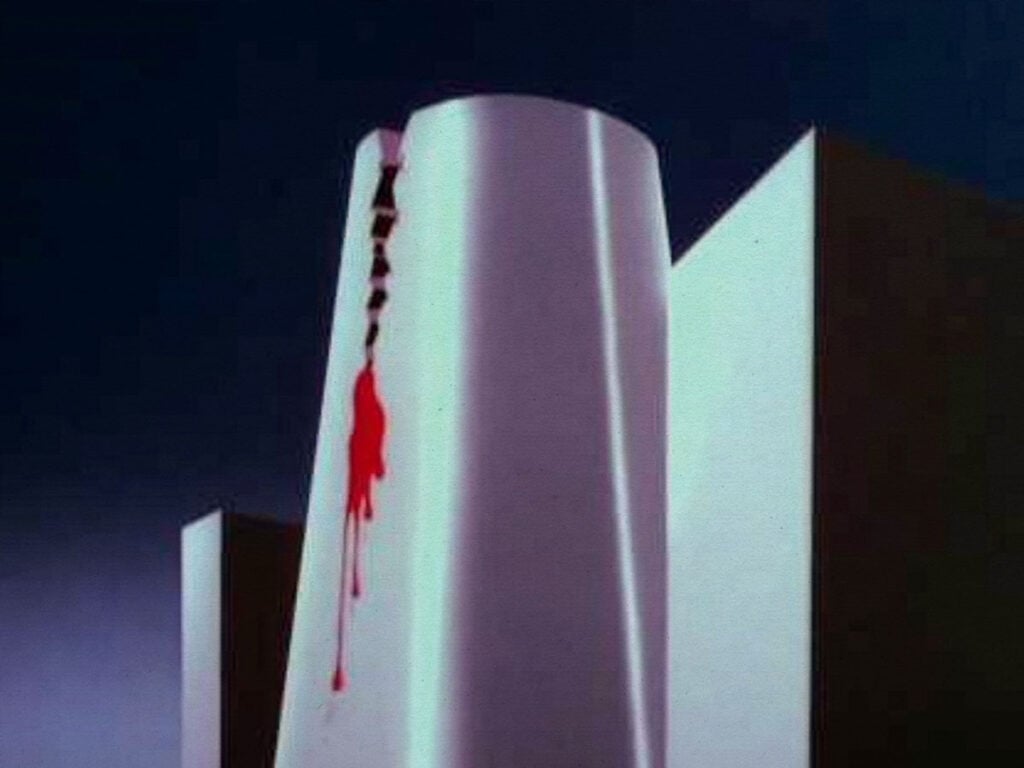
Just this bizarre animated nightmare unfolding on a giant screen while Pink Floyd performed at deafening volume. It must have been absolutely fucking mind-blowing, and Scarfe somehow managed to translate those feelings into visual form.
The animation unfolds as strange machines churn endlessly. Human figures drift through bizarre industrial landscapes. Everything feels alive and dead at the same time. Like the best surreal art, the clips don’t always make literal sense, but it does make some sort of emotional sense.
Eventually, the record company repurposed the animations, and they occasionally surfaced on VH1 Classic and various late-night music television programmes over the years. Seen today, it still feels remarkably modern. In an era saturated with CGI and digital effects, there’s something uniquely powerful about Scarfe’s hand-drawn grotesqueries. They possess a tactile quality that modern animation often lacks.
What I find especially fascinating is how completely the film captures a very specific moment in Pink Floyd’s evolution. The band that recorded The Dark Side of the Moon had already begun drifting toward the themes that would dominate Animals and The Wall: isolation, control, corruption and the loss of individuality, and Scarfe’s animation feels like a visual bridge connecting those different eras of the band’s work.
It’s still astonishing all these years later.